

Indian Festivals, Rituals, and the Importance of A2 Ghee

Share
By the Faimly Farm Team · Last updated June 17, 2026 · A Faimly Farm guide to ghee in Indian festivals and rituals
From the lamp lit at dusk to the offering poured into the sacred fire, ghee runs through the festivals and rituals of India. It lights the celebration, sanctifies the prayer, and enriches the feast. This guide brings together the festival and ritual heritage of ghee in one place, with links to explore each occasion in depth. It describes cultural and ritual tradition, not health advice.
Ghee in the Sacred Fire
The oldest ritual use of ghee is as the offering poured into the consecrated fire of a yajna or havan. Considered the purest offering, ghee feeds the flame that carries prayers upward — a tradition stretching back to the Vedic age, and central to weddings and ceremonies alike.
- Read: How Ghee Is Used in Yajna and Havan Rituals
- Read: Why Ghee Is Essential in Indian Wedding Rituals
Ghee in the Festival of Lights and Beyond
Across India's great festivals, ghee lights the diya, sanctifies the puja, and enriches the sweets shared with loved ones. Each festival has its own ghee-rich traditions, from Diwali's lamps and mithai to the dairy devotion of Janmashtami and the joyful sweets of Holi.
- Read: Why Ghee Is Used During Diwali Celebrations
- Read: Traditional Janmashtami Foods and the Role of Ghee
- Read: Cultural Importance of Ghee in Holi Celebrations
Ghee in Fasting and Devotion
Even in fasting, ghee holds its place. During Navratri and other periods of vrat, pure ghee is the embraced, sattvic cooking medium for special fasting foods, and it lights the diya through the nine nights of devotion.
Sacred Offerings Made with Ghee
Ghee is part of the most sacred offerings in Indian worship — none more so than panchamrit, the five-nectar mixture of milk, curd, ghee, honey, and sugar offered to the divine and shared as prasad.
The Common Thread: Purity and Auspiciousness
Why ghee, in every one of these occasions? Because tradition regards pure ghee as the most auspicious and pure of substances — fitting to offer to the sacred fire, to light before the divine, and to share in celebration. That is why festivals reserve genuine ghee for their most important moments.
The Faimly Farm Experience
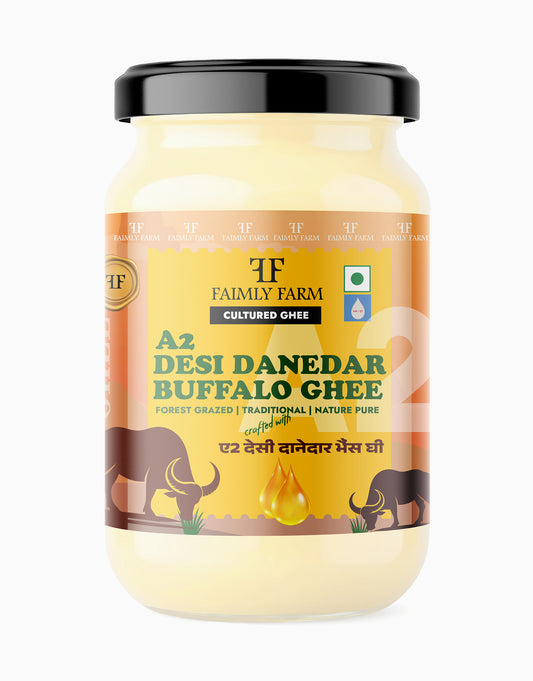
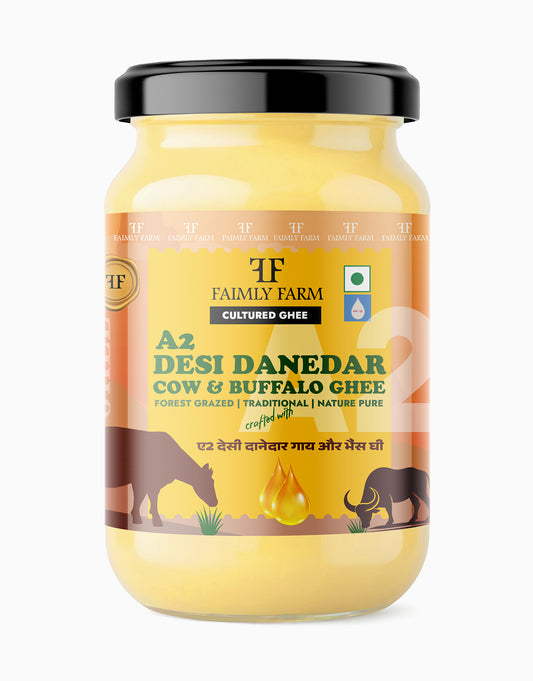
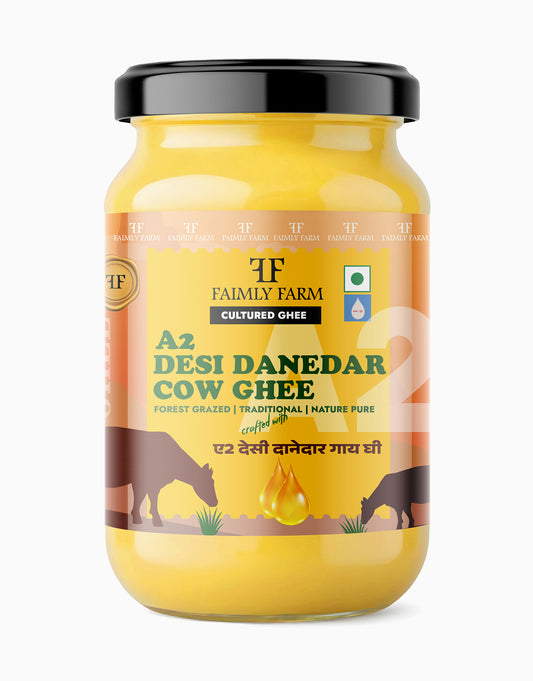
For festivals and rituals, tradition calls for the purest ghee. Our A2 ghee is made from indigenous-cow milk by the traditional bilona method, in small lab-tested batches under our FSSAI licence, with no added oils or colours — fitting for diyas, offerings, and festival sweets alike. Explore our Cultural Heritage Satvik A2 Cow Ghee, our A2 Bilona Cow Ghee, or the full A2 Ghee collection.
Frequently Asked Questions
Why is ghee used in Indian festivals and rituals?
Ghee is regarded as the purest, most auspicious substance, so it is used to light diyas, feed the sacred fire, make festival sweets, and form part of sacred offerings.
Which festivals use ghee the most?
Diwali, Janmashtami, Holi, and Navratri all have strong ghee traditions, as do weddings and fire ceremonies like yajna and havan.
Why is ghee poured into the sacred fire?
Ghee is considered the purest offering and burns cleanly and brightly, sustaining the ritual flame that is believed to carry offerings to the divine.
What is panchamrit?
Panchamrit is a sacred mixture of milk, curd, ghee, honey, and sugar offered in worship and shared as prasad.
Which ghee is best for festivals and rituals?
Pure A2 cow ghee, ideally bilona-made from indigenous cows, with no added oils or colours, is the traditional and most auspicious choice.
Conclusion
Across India's festivals and rituals, ghee is the thread of purity and auspiciousness — in the lamp, the sacred fire, the offering, and the feast. Explore the guides above to follow each occasion, and when you celebrate or worship, do it with ghee made in the tradition of purity these moments deserve.
Celebrate every occasion with pure ghee. Explore our A2 Ghee collection and try Cultural Heritage Satvik A2 Cow Ghee. New customers can use code FIRST10 for 10% off their first order.
This article describes traditional cultural and ritual heritage, not medical or nutritional advice. Faimly Farm: indigenous A2 milk, traditional bilona batches, lab-tested purity under our FSSAI licence. Learn more about Faimly Farm or contact us.