

Why Ghee Is Essential in Indian Wedding Rituals
Share
Share
By the Faimly Farm Team · Last updated June 17, 2026 · Reading time: about 5 minutes
An Indian wedding is a tapestry of rituals, and ghee is woven through many of them. From the sacred fire that seals the marriage to the feast that celebrates it, pure ghee plays a quiet but essential role. Here is why ghee is such an important part of Indian wedding traditions.
Ghee and the Sacred Fire
At the heart of a Hindu wedding is the agni, the sacred fire, witness to the vows taken around it. Ghee is the traditional offering poured into this fire during the homam or havan. As the couple makes their offerings, ghee feeds the flames — a symbol of purity, prosperity, and divine blessing for the marriage.
Why Ghee for the Offering
Ghee has long been considered the purest and most auspicious offering for sacred fire:
- Purity: ghee is regarded as a pure, sattvic substance fit for sacred use.
- Auspiciousness: it is associated with prosperity and blessing.
- Tradition: ghee offerings to fire are among India's oldest rituals.
- Symbolism: the steady flame fed by ghee represents an enduring union.
Ghee in the Wedding Feast
Beyond ritual, ghee enriches the celebration itself. Wedding feasts are famous for their ghee-rich dishes and sweets — ladoos, halwa, and elaborate mithai, all made with generous amounts of pure ghee. Serving ghee-laden food at a wedding is a mark of abundance, generosity, and joy.
A Blessing for the New Home
Ghee also features in the customs that welcome a bride to her new home and bless the couple's life ahead. As a symbol of prosperity and nourishment, ghee carries wishes for a sweet, abundant, and blessed married life — which is why it appears so often in wedding traditions across India.
The Faimly Farm Experience
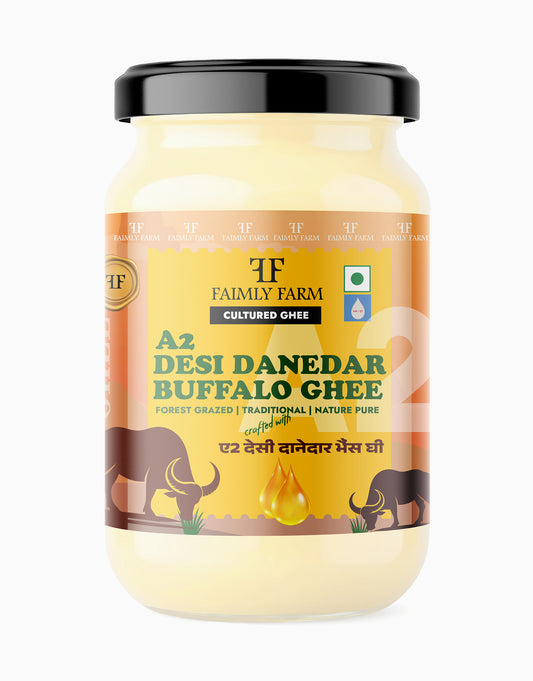
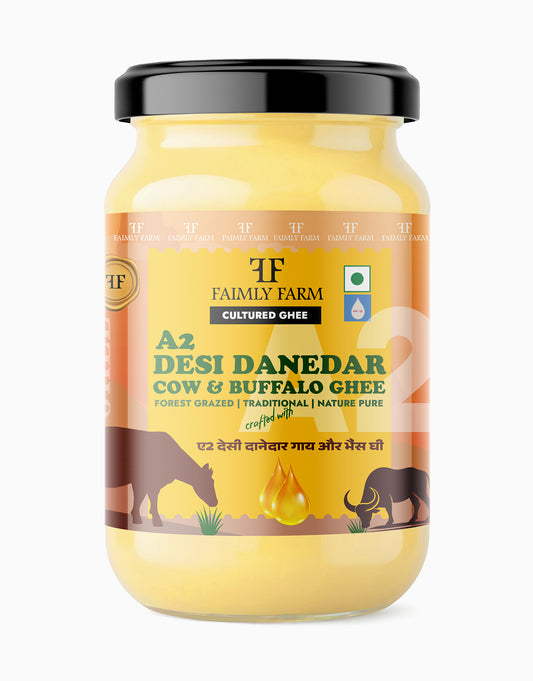
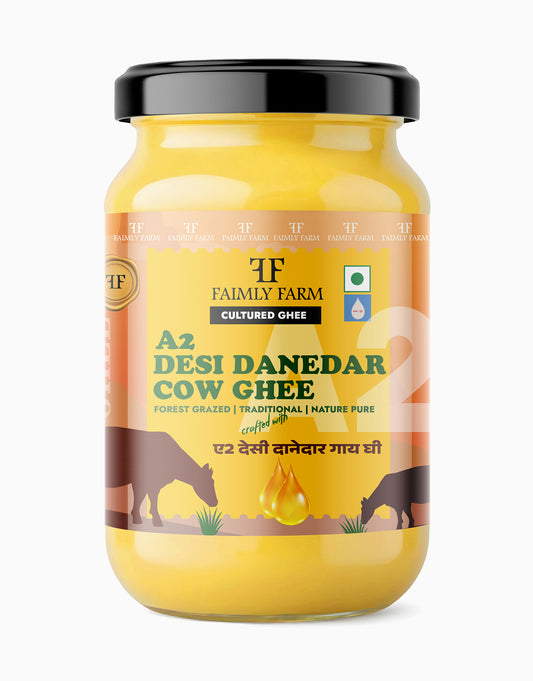
For the most sacred of occasions, only the purest ghee will do. Our A2 ghee is made from indigenous-cow milk by the bilona method, in small lab-tested batches under our FSSAI licence — fitting for both sacred rituals and celebration feasts. Explore our Cultural Heritage Satvik A2 Cow Ghee or the full A2 Ghee collection.
Key Takeaways
- Ghee is the traditional offering poured into the sacred wedding fire.
- It is chosen for its purity, auspiciousness, and symbolism.
- Ghee-rich dishes and sweets define the wedding feast.
- Ghee carries blessings of prosperity for the couple's new life.
Frequently Asked Questions
Why is ghee used in Indian weddings?
Ghee is the traditional offering poured into the sacred wedding fire, and it enriches the celebration feast, symbolising purity and prosperity.
Why is ghee poured into the wedding fire?
Ghee is considered the purest, most auspicious offering for the sacred fire, feeding the flames that witness the couple's vows.
Which ghee is best for wedding rituals?
Pure A2 cow ghee, ideally bilona-made from indigenous cows, is the traditional and most auspicious choice.
Why are wedding sweets made with ghee?
Ghee-rich sweets signal abundance, generosity, and joy, which is why they are central to wedding feasts.
What does ghee symbolise in a wedding?
Ghee symbolises purity, prosperity, and blessing, carrying wishes for an abundant and enduring married life.
Conclusion
In an Indian wedding, ghee is far more than an ingredient — it is the offering that feeds the sacred fire, the richness of the celebration feast, and the symbol of blessings for the couple ahead. Pure ghee carries the weight of tradition into one of life's most important occasions, as it has for generations.
Honour every occasion with pure ghee. Explore our A2 Ghee collection, try Cultural Heritage Satvik A2 Cow Ghee, and read our guide on traditional panchamrit. New customers can use code FIRST10 for 10% off their first order.
Faimly Farm: indigenous A2 milk, traditional bilona batches, lab-tested purity under our FSSAI licence. Learn more about Faimly Farm or contact us.