

Cultural Importance of Ghee in Holi Celebrations

Share
By the Faimly Farm Team · Last updated June 17, 2026 · Reading time: about 5 minutes
Holi, the festival of colours, is also a festival of food — and pure ghee is at the heart of the feast. Beyond the colours and celebration, Holi is a time of rich, joyful sweets and snacks, most of them made with ghee. Here is the cultural place of ghee in Holi celebrations.
Holi Is a Festival of Feasting
While Holi is famous for colours, the cooking is just as important. Families prepare a spread of traditional sweets and savouries to share with guests and neighbours, and ghee is the common thread running through them. The aroma of ghee-rich treats being prepared is part of the festive atmosphere.
The Ghee-Rich Sweets of Holi
The signature foods of Holi rely on pure ghee for their richness and aroma:
- Gujiya — sweet fried dumplings filled with khoya, dry fruits, and coconut.
- Malpua — sweet pancakes fried in ghee and soaked in syrup.
- Balushahi and mathri — rich fried treats made with ghee.
- Halwa — sooji or moong dal, cooked in plenty of ghee.
For each of these, the quality of the ghee shapes the flavour of the final treat.
Why Ghee Makes Festival Food Special
Ghee gives festival food its celebratory character — the rich aroma, the golden colour, the melt-in-the-mouth quality of a good gujiya or malpua. Festivals are a time of abundance and generosity, and ghee-rich food is a way of marking the occasion and honouring guests.
A Spirit of Sharing
At its heart, Holi is about coming together, and food is how that togetherness is expressed. Sharing ghee-rich sweets with family, neighbours, and friends is a gesture of warmth and goodwill — the sweet side of the festival of colours.
The Faimly Farm Experience
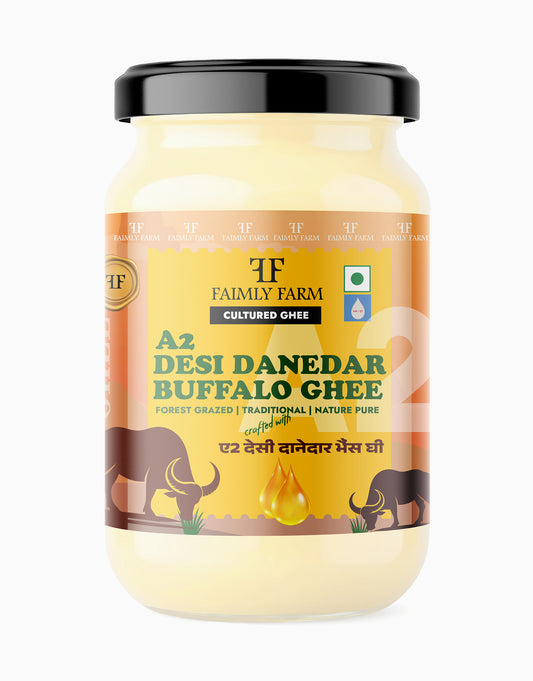
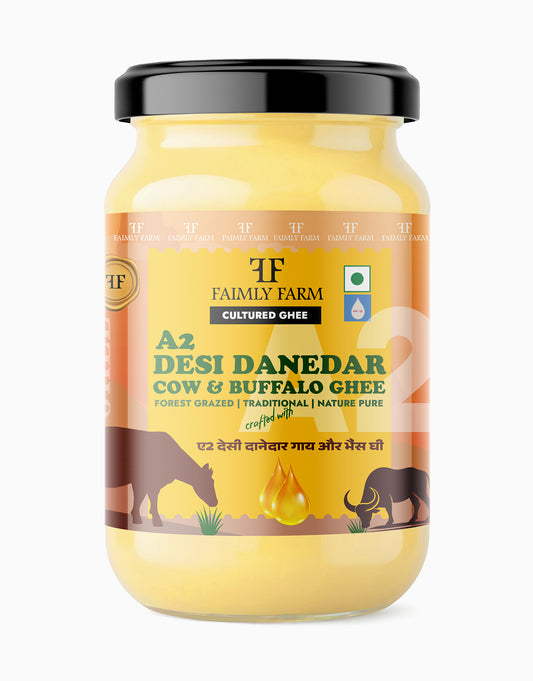
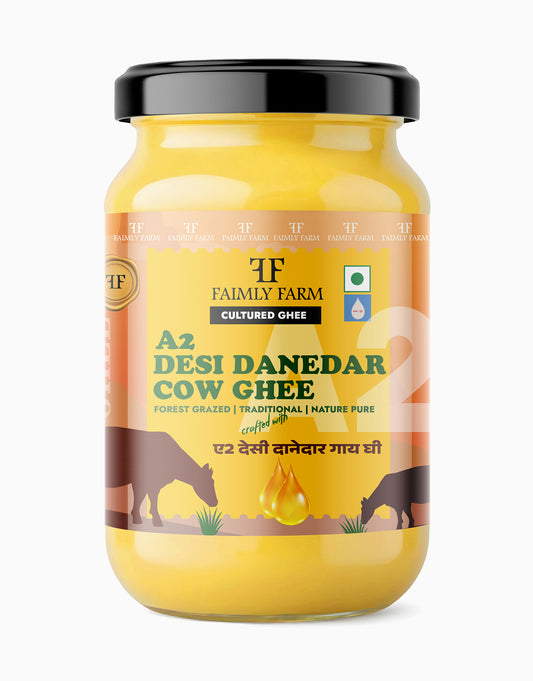
Festival sweets deserve genuine ghee. Our A2 ghee is made from indigenous-cow milk by the bilona method, in small lab-tested batches under our FSSAI licence — ideal for gujiya, malpua, and every Holi treat. Explore our A2 Bilona Cow Ghee or the full A2 Ghee collection.
Key Takeaways
- Holi is a festival of feasting as much as colour, with ghee at the centre.
- Signature Holi foods — gujiya, malpua, balushahi, halwa — are made with ghee.
- Ghee gives festival food its rich aroma, colour, and celebratory quality.
- Sharing ghee-rich sweets expresses the warmth and togetherness of Holi.
Frequently Asked Questions
Why is ghee used during Holi?
Ghee is used to make the rich festival sweets and snacks shared at Holi, such as gujiya, malpua, and mathri, and features in the traditional foods of the celebration.
Which Holi sweets are made with ghee?
Gujiya, malpua, balushahi, mathri, and various halwas are classic Holi treats traditionally made with pure ghee.
What is gujiya?
Gujiya is a sweet fried dumpling filled with khoya, dry fruits, and coconut, traditionally made with ghee and enjoyed during Holi.
Which ghee is best for Holi sweets?
Pure A2 cow ghee, ideally bilona-made, gives the best aroma and flavour for Holi sweets and snacks.
Why are festival foods made with ghee?
Ghee adds richness, aroma, and a festive quality to foods, and is considered auspicious, which is why it is central to celebration cooking.
Conclusion
Behind the colours of Holi is a table laden with ghee-rich sweets — gujiya, malpua, and more — shared in a spirit of warmth and togetherness. Pure ghee is what gives these festival treats their irresistible aroma and richness. This Holi, let genuine A2 ghee bring its golden touch to your celebration.
Make your Holi sweets shine. Explore our A2 Ghee collection, try A2 Bilona Cow Ghee, and read our guide on ghee during Diwali. New customers can use code FIRST10 for 10% off their first order.
Faimly Farm: indigenous A2 milk, traditional bilona batches, lab-tested purity under our FSSAI licence. Learn more about Faimly Farm or contact us.