

A2 Ghee vs Coconut Oil: A Cooking Comparison

Share
By the Faimly Farm Team · Last updated June 17, 2026 · Reading time: about 5 minutes
A2 ghee and coconut oil are both popular cooking fats in Indian kitchens, each with its own character. This guide compares them purely on cooking properties — smoke point, flavour, and best uses — to help you choose the right one for the dish. (This is a culinary comparison, not dietary advice.)
Two Very Different Flavours
The first thing to know is taste. Coconut oil carries a distinct coconut flavour and aroma, which suits South Indian and certain coastal dishes beautifully but can feel out of place in others. A2 ghee has a rich, nutty, neutral-to-savoury aroma that works across the whole range of Indian cooking. Your dish often decides the winner.
A2 Ghee vs Coconut Oil: At a Glance
| Property | A2 Ghee | Coconut Oil |
|---|---|---|
| Source | Indigenous-cow butter | Coconut |
| Smoke point | High (around 250°C) | Lower (refined ~230°C, virgin ~175°C) |
| Flavour | Rich, nutty, versatile | Distinct coconut taste |
| Best for | All-round Indian cooking, frying, tempering | South Indian and coastal dishes, some baking |
| Type | Dairy | Plant-based (vegan) |
Smoke Point and High-Heat Cooking
A2 ghee has a high smoke point (around 250°C), staying stable for frying and high-heat tempering. Refined coconut oil is also fairly high, but virgin coconut oil has a lower smoke point and is better suited to gentler cooking. For consistent high-heat Indian cooking, ghee is the dependable all-rounder.
When to Choose Each
- Choose A2 ghee for: everyday Indian cooking, tempering dal, frying, sweets, and any dish where you want a rich, traditional aroma without a coconut note.
- Choose coconut oil for: South Indian dishes where its flavour belongs, coastal cuisine, and vegan cooking where dairy is not used.
The Vegan Consideration
One clear practical difference: coconut oil is plant-based and suitable for vegan cooking, while ghee is a dairy product. For those who eat dairy, ghee offers unmatched versatility in Indian food; for vegan dishes, coconut oil is the natural choice.
The Faimly Farm Experience
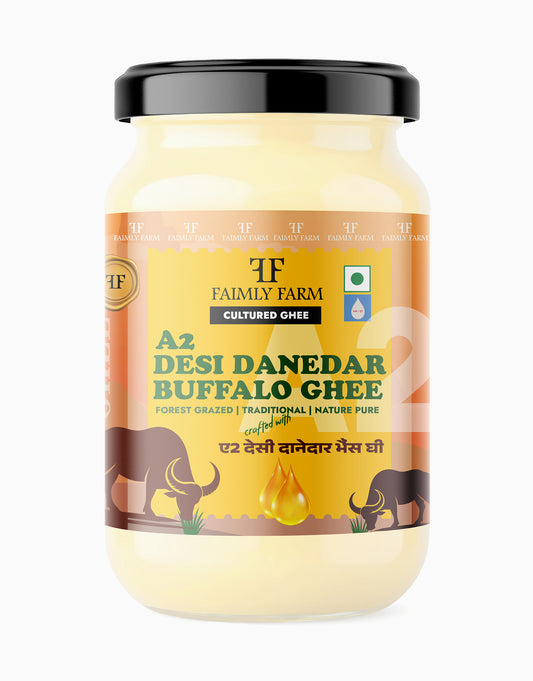
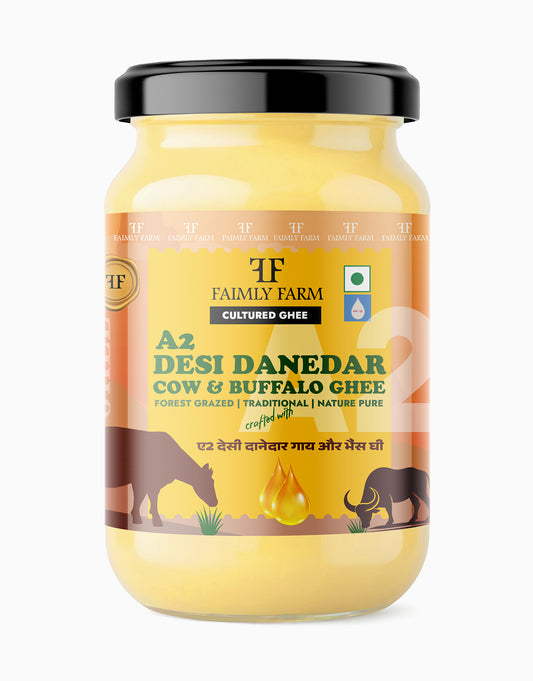
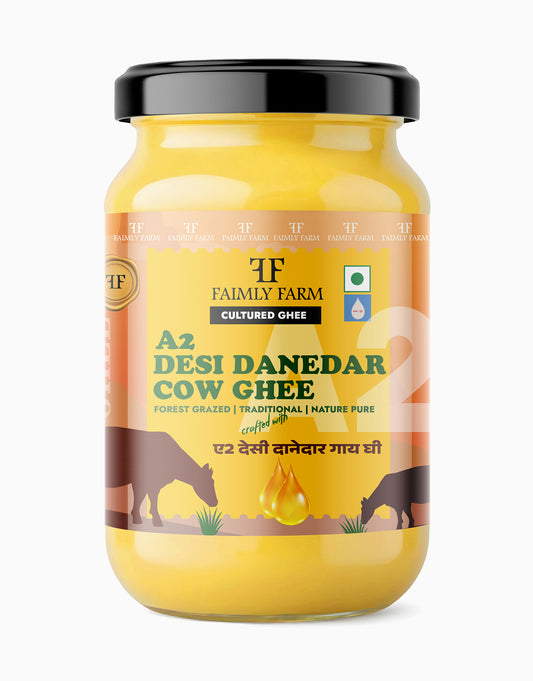
For all-round Indian cooking, genuine ghee is hard to beat. Our A2 ghee is made from indigenous-cow milk by the traditional bilona method, in small lab-tested batches under our FSSAI licence. Explore our Nature's Pure A2 Cow Ghee or the full A2 Ghee collection.
Frequently Asked Questions
Is ghee or coconut oil better for cooking?
It depends on the dish. A2 ghee is a versatile all-rounder with a high smoke point and rich aroma; coconut oil suits dishes where its distinct coconut flavour belongs, and vegan cooking.
Which has a higher smoke point?
A2 ghee (around 250°C) is higher than virgin coconut oil (around 175°C) and comparable to refined coconut oil.
Can I substitute ghee for coconut oil?
Often yes, except where the coconut flavour is essential to the dish or where you need a vegan, plant-based fat.
Which is better for Indian cooking?
A2 ghee is the more versatile choice across most Indian cooking, while coconut oil shines in specific South Indian and coastal dishes.
Is ghee suitable for vegans?
No, ghee is a dairy product. Coconut oil is the plant-based, vegan-friendly option.
Conclusion
A2 ghee and coconut oil each have their place. Ghee is the versatile, high-smoke-point all-rounder for most Indian cooking; coconut oil brings its signature flavour to the dishes that call for it and serves vegan kitchens. Let the dish — and your diet — guide the choice.
Stock the all-rounder. Explore our A2 Ghee collection, try Nature's Pure A2 Cow Ghee, and read our complete guide to cooking with A2 ghee. New customers can use code FIRST10 for 10% off their first order.
This article is a general culinary comparison, not dietary or medical advice. Faimly Farm: indigenous A2 milk, traditional bilona batches, lab-tested purity under our FSSAI licence. Learn more about Faimly Farm or contact us.