

Ghee in Odisha Temple Food: The Jagannath Mahaprasad
Share
Share
By the Faimly Farm Team · A look at ghee in the temple food of Odisha
Odisha's most sacred culinary tradition is the Mahaprasad of the Jagannath Temple in Puri — a vast array of offerings cooked daily and shared with countless devotees. Ghee features in this revered prasad and across Odia festive food. Here is a look at ghee's place in Odisha's temple and food traditions.
The Jagannath Mahaprasad
At the Jagannath Temple in Puri, the Mahaprasad is prepared on a grand scale and considered deeply sacred. Among the many rice, dal, vegetable, and sweet preparations offered to the deity, ghee is used in cooking and in sweets, contributing to the richness of this revered food shared as a blessing.
Ghee in Odia Sweets and Festive Food
Odisha's traditional sweets and festive dishes — from kheer (khiri) to various pithas and ghee-rice preparations — use ghee for aroma and richness. Festivals and rituals across the state feature ghee-touched foods as offerings and celebratory fare.
Ghee as an Offering
As in much of India, ghee in Odisha is considered pure and auspicious, fitting for temple lamps and for cooking food that will be offered to the divine before being shared. This sacred status underlies its use in Mahaprasad and ritual cooking.
A Note on Tradition
This article describes cultural and religious heritage, not health or dietary advice. Ghee's role here is one of devotion, ritual, and tradition.
The Faimly Farm Connection
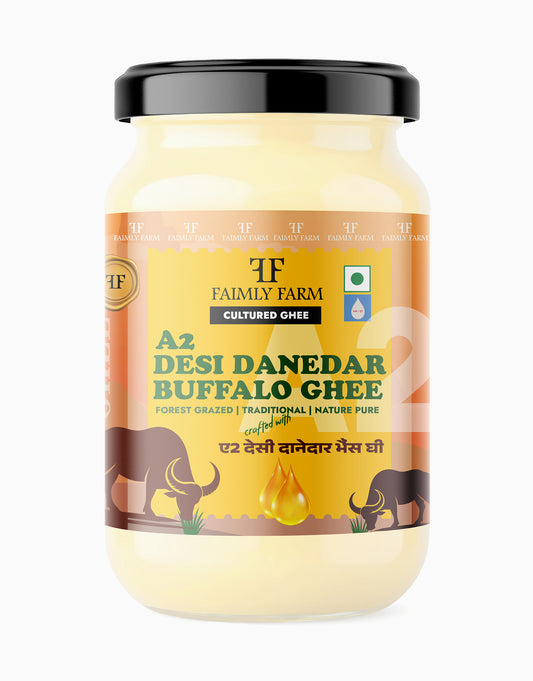
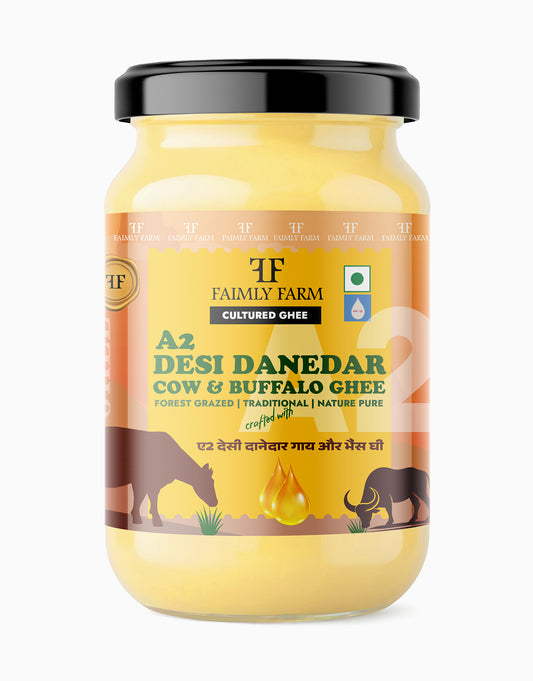
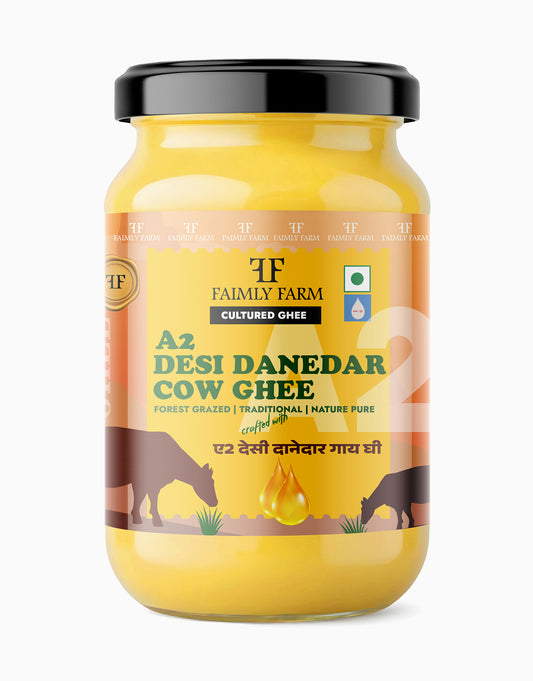
For sacred and festive cooking, purity matters most — our A2 ghee is made the traditional bilona way, in small lab-tested batches under our FSSAI licence. Explore our Cultural Heritage Satvik A2 Cow Ghee or the full A2 Ghee collection, and read our guide to ghee in rituals.
Frequently Asked Questions
What is the Jagannath Mahaprasad?
It is the vast array of sacred food offerings prepared daily at the Jagannath Temple in Puri, Odisha, and shared with devotees as a blessing; ghee features in its cooking and sweets.
How is ghee used in Odia temple food?
Ghee is used in cooking rice, dal, and sweet preparations offered to the deity, contributing richness to the revered Mahaprasad.
Which Odia sweets use ghee?
Kheer (khiri), various pithas, and ghee-rice preparations use ghee for aroma and richness.
Why is ghee considered fitting for offerings?
Ghee is regarded as pure and auspicious, making it suitable for temple lamps and food offered to the divine.
Which ghee is best for sacred cooking?
Pure A2 cow ghee, ideally bilona-made, is the traditional and most fitting choice.
Conclusion
In Odisha, ghee enriches one of India's most revered culinary traditions — the Jagannath Mahaprasad — and graces festive sweets and offerings across the state. Pure A2 ghee honours that sacred heritage.
Honour the tradition. Explore our A2 Ghee collection, try Cultural Heritage Satvik A2 Cow Ghee, and read our guide to ghee in rituals and traditions. New customers can use code FIRST10 for 10% off their first order.
Faimly Farm: indigenous A2 milk, traditional bilona batches, lab-tested purity under our FSSAI licence. Learn more about Faimly Farm or contact us.