

Ghee in Bengali Tradition and Cooking
Share
Share
By the Faimly Farm Team · A look at ghee in the culture of Bengal
In Bengal, a spoonful of ghee (ghee) over hot steamed rice is one of the simplest, most beloved pleasures — often the very first bite of a meal. Beyond that everyday ritual, ghee perfumes pulao, enriches sweets, and marks festive and ceremonial food. Here is a look at ghee's quiet but cherished place in Bengali tradition and cooking.
The First Bite: Ghee Bhat
A classic Bengali meal traditionally begins with garam bhat (hot rice) topped with a spoon of ghee and a little salt, sometimes with a green chilli. This simple, fragrant start — ghee bhat — is comfort itself and a ritual passed down through generations.
Ghee in Bengali Festive Food
Bengali pulao (the gently sweet, ghee-rich basanti pulao) is unthinkable without ghee. Festive vegetable dishes, luchis served at celebrations, and many sweets carry ghee's richness. During Durga Puja and weddings, ghee-rich dishes take centre stage on the menu.
Ghee and Bengali Sweets
While many Bengali sweets are chhena-based, ghee plays its part — in payesh (rice kheer) finished with ghee-fried nuts and aroma, in nadu (ladoos), and in festive treats. Ghee adds the warm, fragrant richness that rounds out Bengal's famous sweet tradition.
A Note on Tradition
This article describes cultural and culinary heritage, not health or dietary advice. Ghee's role here is one of tradition, comfort, and festive cooking.
The Faimly Farm Connection
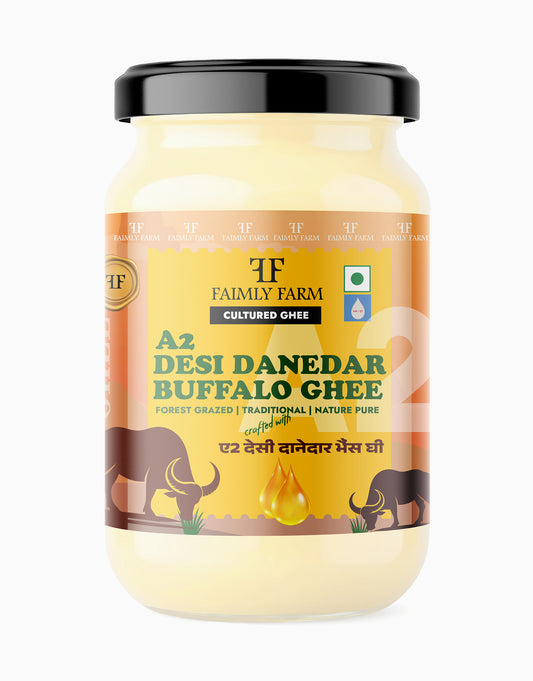
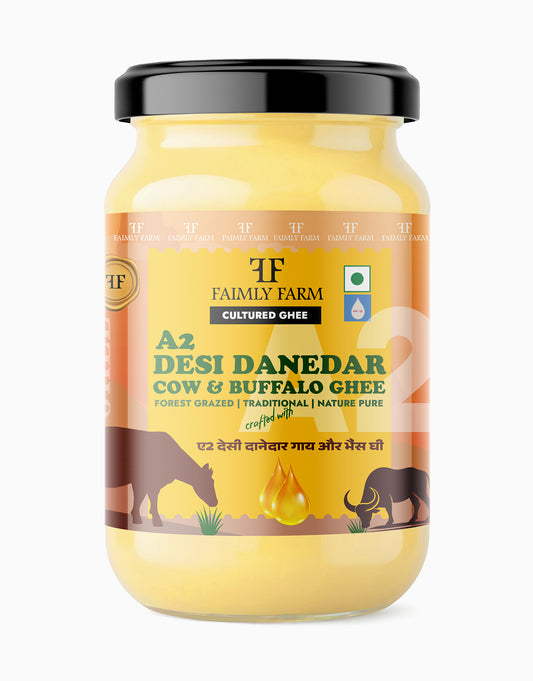
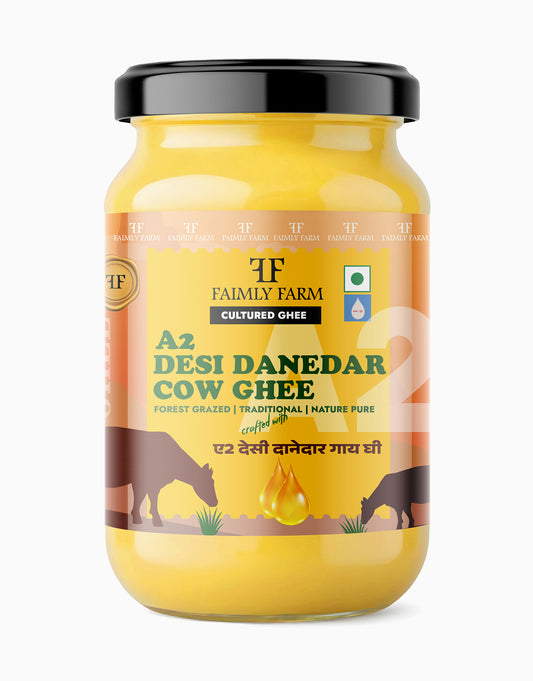
That cherished spoon of ghee over hot rice deserves genuine ghee — ours is A2 ghee made the traditional bilona way, in small lab-tested batches under our FSSAI licence. Explore our A2 Bilona Cow Ghee or the full A2 Ghee collection, and try our Bengali payesh.
Frequently Asked Questions
What is ghee bhat?
Ghee bhat is the Bengali tradition of starting a meal with hot rice topped with a spoon of ghee and a little salt, a simple and cherished ritual.
Which Bengali dishes use ghee?
Basanti pulao, festive vegetable dishes, luchis, payesh, and nadu (ladoos) all use ghee for richness and aroma.
Is ghee used in Bengali festivals?
Yes; during Durga Puja, weddings, and celebrations, ghee-rich dishes like pulao and sweets are prominent.
How does ghee feature in Bengali sweets?
While many are chhena-based, ghee enriches payesh, nadu, and festive treats with warm, fragrant richness.
Which ghee is best for Bengali cooking?
Pure A2 cow ghee, ideally bilona-made, gives the most authentic aroma for that classic spoon over rice.
Conclusion
In Bengal, ghee is a quiet daily joy and a festive essential alike — from the first fragrant spoon over hot rice to the richness of pulao and sweets. Genuine A2 ghee makes that beloved Bengali ritual all the more special.
Savour the ritual. Explore our A2 Ghee collection, try A2 Bilona Cow Ghee, and read our guide to ghee as liquid gold. New customers can use code FIRST10 for 10% off their first order.
Faimly Farm: indigenous A2 milk, traditional bilona batches, lab-tested purity under our FSSAI licence. Learn more about Faimly Farm or contact us.