

A2 Ghee from Several Farms: Questions about Pooled Milk
Buying A2 ghee made from pooled milk? Ask how farms, collection lots and jar batches stay connected, without relying on farm photographs.

By Faimly Farm, with AI assistance · Published 21 October 2026
When milk from several farms is pooled for A2 ghee, the useful question is how the sourcing claim remains connected to the combined milk and finished batch. Farm count alone does not establish or disprove an A2 claim. Ask about the records and controls, not simply the most attractive farm photograph.
This guide is a purchasing questionnaire. It does not describe a verified Faimly Farm pooling arrangement or certify any supplier.
Draw the route before assessing the claim
Write a simple sequence: supplying farms, collection point, transport, processing, butter or cream lot, finished-ghee batch and jar code. Ask the maker which stages it handles directly and which are handled by others. A direct-to-consumer seller is not necessarily the operator of every upstream stage.
Separate three questions: what animals supplied the milk, how that milk was kept identifiable, and what process produced the ghee. An answer about traditional churning does not fill a gap in milk-source records.
Questions to send the maker
| Question | Useful response |
|---|---|
| Which source population does the A2 description cover? | A clear scope and explanation of the evidence used |
| Where is milk combined? | Identified collection or processing stages |
| How are eligible and other supplies distinguished? | A description of segregation, identification and records |
| What links the supply to my jar? | Relevant lot or batch references |
| What changes when a supplier changes? | A documented review or verification process |
A seller may appropriately redact personal details. Ask for a relevant explanation or redacted evidence rather than a farmer's home address or private animal records. Lack of public personal data is not itself proof of a false claim.
Distinguish kinds of evidence
A farm photograph shows a scene. An invoice describes a transaction. A laboratory report describes the sample and tests in that report. A sourcing statement describes the maker's claim. None should silently stand in for all the others.
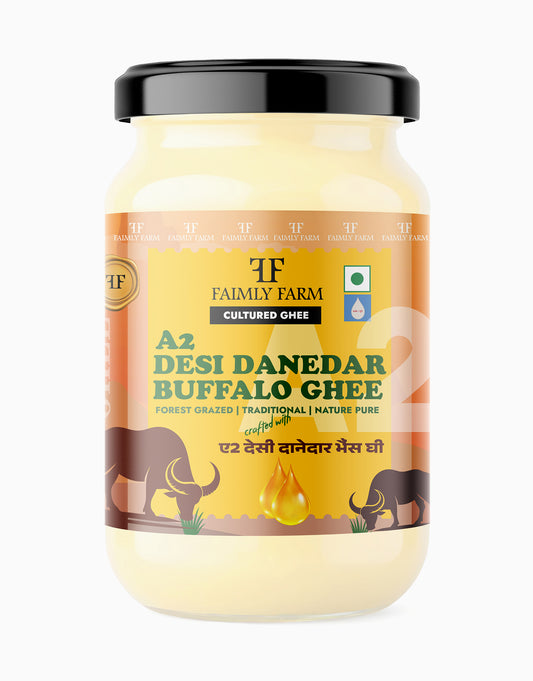
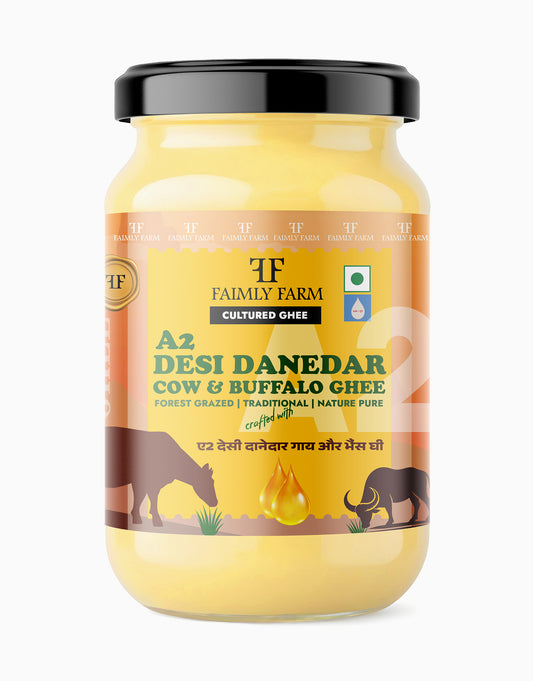
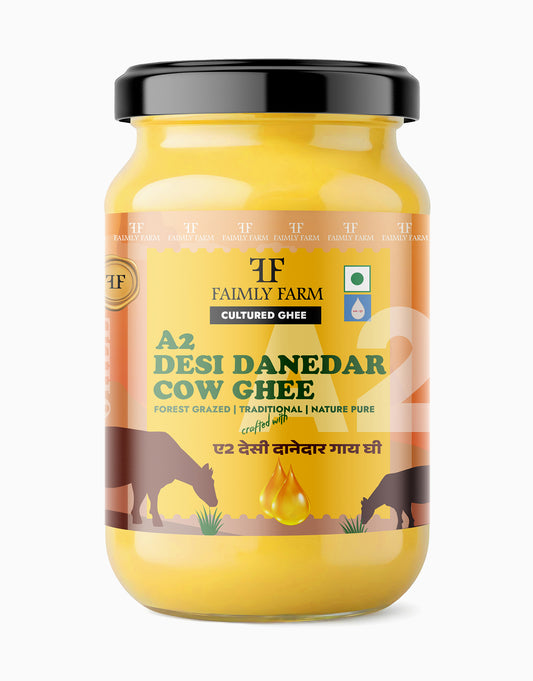
For example, an image of a Gir cow cannot by itself establish the source of every pooled consignment. Equally, a report on finished-ghee composition may not establish the genetic status of all source animals. Match each document to the question it can answer.
A comparison note for two suppliers
Use columns for claim, scope, document supplied, date, jar connection and unresolved question. Record “not supplied” rather than “failed” when no evidence was provided. Apply the same standard to Faimly Farm and any other seller.
FAO's Codex guidelines collection includes traceability principles. It provides general food-system context, not validation of a private brand's A2 sourcing.
Questions readers ask
Does more than one farm mean the ghee cannot be A2?
No conclusion follows from farm count alone. Assess the actual claim, evidence and identification controls.
Does a named breed establish each batch?
A breed description is not a substitute for relevant source and batch records.
Must every farmer's private details be public?
No. Relevant evidence can be explained or redacted while respecting privacy.
Does bilona answer the sourcing question?
No. Production method and source identification are separate.
Related Faimly Farm reading
- For parent buying evidence, read Pure A2 Ghee Buying Guide: How to Choose Genuine Ghee.
- For separate photos from traceability, read Reading a Farm Story: Separating Photographs from Traceability.
- For interpret report scope, read Ghee Purity Reports: How to Read a Laboratory Test.
Sources and links checked 21 October 2026. This is educational editorial content; examples and proposed recipes are identified in the text. Banner: AI-generated illustration, not an actual product or tested-batch photograph. Return to the Faimly Farm Journal.
Continue reading
View all stories
Record a Family Tadka: Spice Order, Heat and the Finish
A worksheet for preserving the order and cooking cues behind a family's ghee tadka.
Read the story
Made, Packed and Marketed By: Read the Roles on an A2 Ghee Label
Read named operator roles and ask about missing links without claiming an audit or certification.
Read the story
A Cow Breed Register and a Ghee Jar Answer Different Questions
Use official breed records for breed identity while keeping jar-level source evidence separate.
Read the story
Join the conversation