
Hallikar and Badri Ghee Labels: Breed Heritage versus Batch Origin

Share
By Faimly Farm · 18 October 2026
Hallikar and Badri identify cattle breeds associated with different home regions. They do not, by themselves, tell you where a particular jar of ghee was made or certify its contents. Read the breed background first, then check the separate sourcing, processing and packing statements for the product you are considering.
Breed names can make a food's cultural background more specific. They become confusing when a reader treats a regional story as a complete supply-chain record. This guide uses two names present in the Faimly Farm catalogue to show how to keep those questions separate.
What the official breed reference actually says
The National Dairy Development Board's breed table lists the following home tracts and main uses. “Main use” describes the breed in that reference; it is not a ranking of commercial ghee.
| Breed | Home tract in NDDB table | Main use listed |
|---|---|---|
| Hallikar | Karnataka | Draught |
| Badri | Uttarakhand | Milk and draught |
Source: NDDB: Breeds, checked 18 October 2026. These entries provide background on the animals, not verification of a seller's milk supply. A breed described primarily for draught use is not thereby a nutritional category for finished ghee.
Separate four places on your reading sheet
- Breed home tract: the regional association in the reference above.
- Milk-source location: where the animals supplying the relevant milk are kept, as supported by the supplier's information.
- Processing location: where the dairy input is made into ghee.
- Packing or business address: the address and role stated on the actual label.
These fields may describe different places. An address on a jar does not automatically identify the cattle's location, and a native-region illustration does not establish the processing site. An unexplained difference calls for a question, not an automatic accusation of mislabelling.
A worked example of reading without overinterpreting
Imagine a listing names Badri cattle, shows a mountain illustration and gives a business address elsewhere. Record three observations: a breed claim, an illustration and an address. Do not combine them into “this batch was made on the pictured mountain farm.” Instead ask which address is the manufacturing site and how the sourcing statement connects to the product's batch.
For a Hallikar listing, start the same way. The Karnataka breed association supplies cultural context; it does not prove that every processing step took place in Karnataka. Our guide to farm photographs and batch traceability explains the records that can connect a visual story to an individual jar.
Use a claim-by-claim comparison, not a breed league table
Write one row for each product and columns for exact product name, stated milk source, stated starting material, described process, batch identifier and unanswered questions. Keep flavour preferences in a separate notes column. Do not score missing information as proven or use price as a substitute for documentation.
The guide to bilona, A2 and organic label terms explains why a breed name, milk-sourcing statement, production method and certification are separate matters. This article does not infer a finished-ghee health advantage from either breed, and it does not establish a particular animal's milk-protein status.
Applying the worksheet to Faimly Farm listings
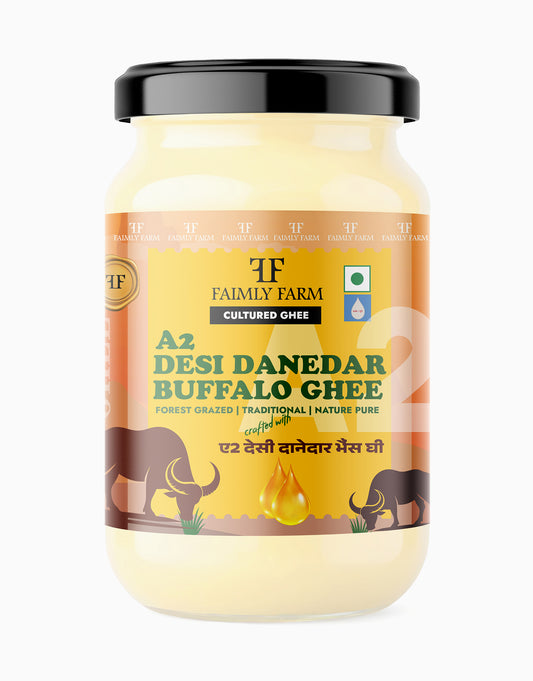
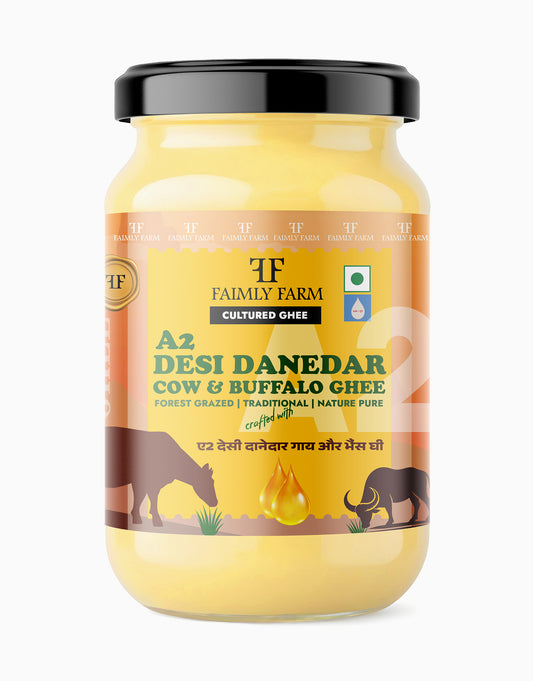
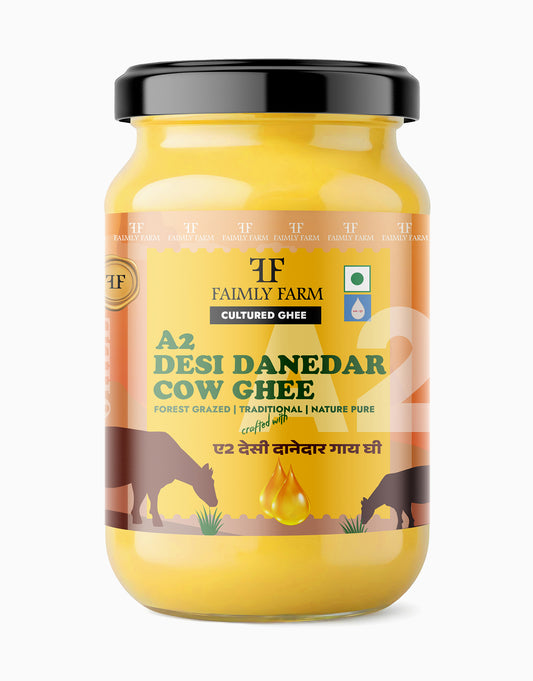
The relevant catalogue pages are Faimly Farm A2 Hallikar Cow Ghee and Faimly Farm A2 Badri Cow Ghee. These links match the breeds discussed rather than sending every reader to a generic product. The names are seller product descriptions, not independent verification of sourcing or certification.
Check the current selected pack and the label you receive. If origin is important to your choice, request a dated explanation tied to that product and batch. We have not audited suppliers or examined batch-specific sourcing records for this article. If a report is offered as evidence, our guide to reading a ghee laboratory report helps distinguish the sample and property tested from broader origin claims.
Frequently asked questions
Where are Hallikar and Badri cattle associated with?
NDDB lists Karnataka for Hallikar and Uttarakhand for Badri. Those are breed home-tract entries, not a map of every commercial supplier.
Does a breed name prove where ghee was made?
No. Ask separately about milk sourcing, processing and packing.
Does breed registration certify a ghee product?
No. Recognition of a cattle breed and evidence for a particular food product are different questions; do not treat one as the other's certificate.
Prepared with AI assistance. Official breed background checked 18 October 2026; product pages checked for identity, not independently audited. Featured banner: AI-generated conceptual illustration, not documentary farm imagery.