

Sabudana Khichdi with Ghee: Check the Soaked Pearl Before Cooking

Share
By Faimly Farm · 17 October 2026
For sabudana khichdi, check hydration before heating the pan: a soaked pearl should press apart without a hard centre. Ghee cannot correct a batch that is still dry inside or one that has become waterlogged.
Two modest portions; about 15 minutes cooking after packet-directed soaking.
Ingredients
- 100 g medium sabudana pearls
- Water for rinsing and soaking as directed on the pack
- 12 g ghee
- 100 g potato, freshly boiled until tender and cubed
- 25 g roasted unsalted peanuts, coarsely crushed
- ½ teaspoon cumin
- Salt and lemon juice to taste
- Chopped coriander, optional
Method
- Rinse the pearls and soak according to the particular pack. Different pearl sizes and processing need different water amounts and times; do not assume one overnight ratio works for all.
- Press several soaked pearls between clean fingers. If their centres are hard, continue hydrating as directed. Drain any free water once ready.
- Gently combine the drained pearls with crushed peanuts and a little salt.
- Warm ghee in a broad pan. Sizzle cumin briefly, then add the cooked potato and turn until hot.
- Add the pearls and fold gently over moderate-low heat until heated and cooked through, with a more translucent appearance. Check a cooled spoonful for a tender centre; this often takes only a few minutes for correctly soaked pearls.
- Turn off the heat, add lemon and optional coriander, and serve promptly.
Diagnose hydration before changing the recipe
Hard centres point toward incomplete hydration. A paste-like result can come from excess soak water, fragile pearls or prolonged stirring after they soften. Start with a small batch of a new brand and record its soaking directions and your result. Coarsely crushed peanuts distribute through the dish; peanut butter is not an equivalent replacement. If you omit peanuts for an allergy, expect a different texture and use clean equipment without peanut cross-contact.
Some households prepare this dish during vrat, but permitted ingredients vary. Check your own observance before choosing salt, spices or garnishes. This recipe makes no universal fasting or medical claim.
Frequently asked questions
Can I use tiny instant pearls?
Follow their own instructions; they are not a direct swap for the medium pearls in this method.
Why did my khichdi clump?
Look first at excess water and prolonged cooking or stirring. More ghee alone will not reverse overhydrated pearls.
Can I use raw potato?
This short finishing method assumes potato already boiled until tender. Raw cubes need a separate cooking stage.
Leftovers: refrigerate within two hours; use within 48 hours or freeze. Reheat once, until steaming hot. Source checked 17 October 2026: Food Standards Agency: Cooking Your Food.
More ways to cook with ghee
For a broader reference, see The Complete Guide to Cooking with A2 Ghee. Continue with Vegetable Upma with Ghee: A Small-Batch Breakfast and Savoury Vermicelli with Ghee: Choosing the Right Water Method.
Choosing ghee for this recipe
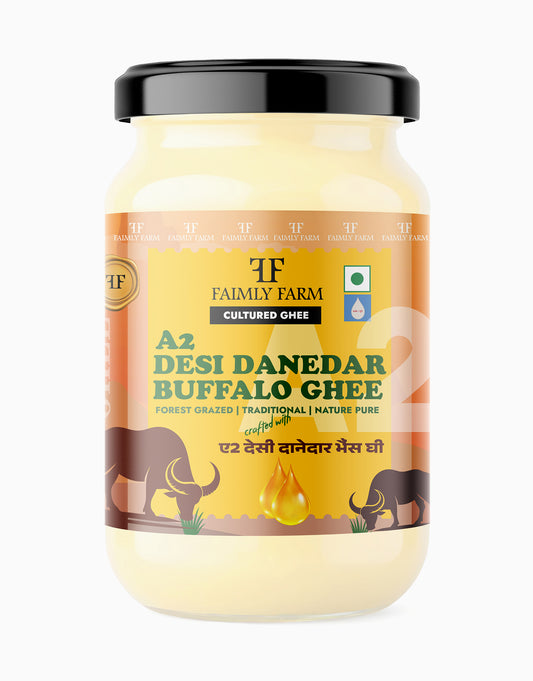
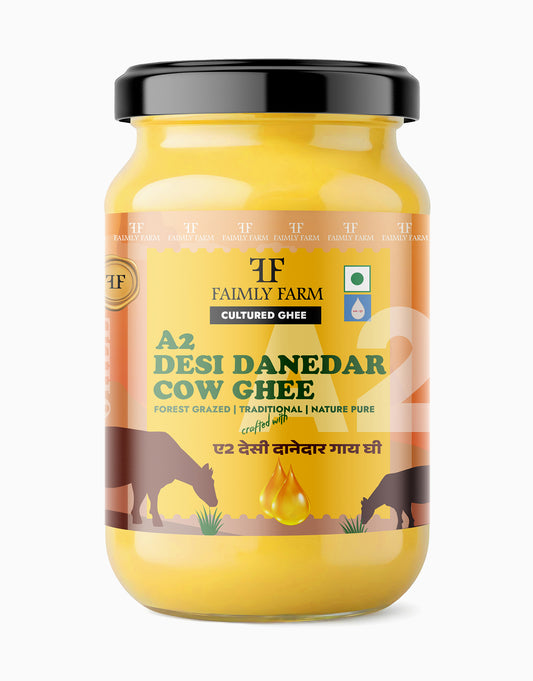
For readers browsing Faimly Farm's traditional cooking range, view Faimly Farm Cultural Heritage Satvik A2 Cow Ghee. If preparing this dish for a fast, check every ingredient against your household's practice: a product's Satvik name does not establish that the whole recipe suits every observance.
Check the selected pack's ingredients, storage directions and current availability. Ghee is milk-derived; an A2 description does not make this recipe dairy-free.
For a different everyday breakfast outside any fasting requirements, try Savoury Dalia with Ghee: A Soft Vegetable Breakfast. Dalia is wheat, so it is not an interchangeable substitute for sabudana.
Prepared with AI assistance. This recipe has not been independently kitchen-tested by Faimly Farm; use the cooking cues and adjust for your ingredients and equipment. Featured banner: AI-generated editorial illustration, not a photograph of a tested recipe.