


Leftover Ghee Rice: Plan Cooling Before Reheating
A rice-specific household routine that starts when cooking ends, with clear cooling, refrigeration and reheating limits.
By Faimly Farm · 23 October 2026 · Prepared with AI assistance.
Plan what to do with leftover ghee rice as soon as cooking finishes. The important question is how the rice was cooled and stored before reheating. Adding ghee is not a reason to relax the finished dish's handling requirements.
Use a rice-specific rule
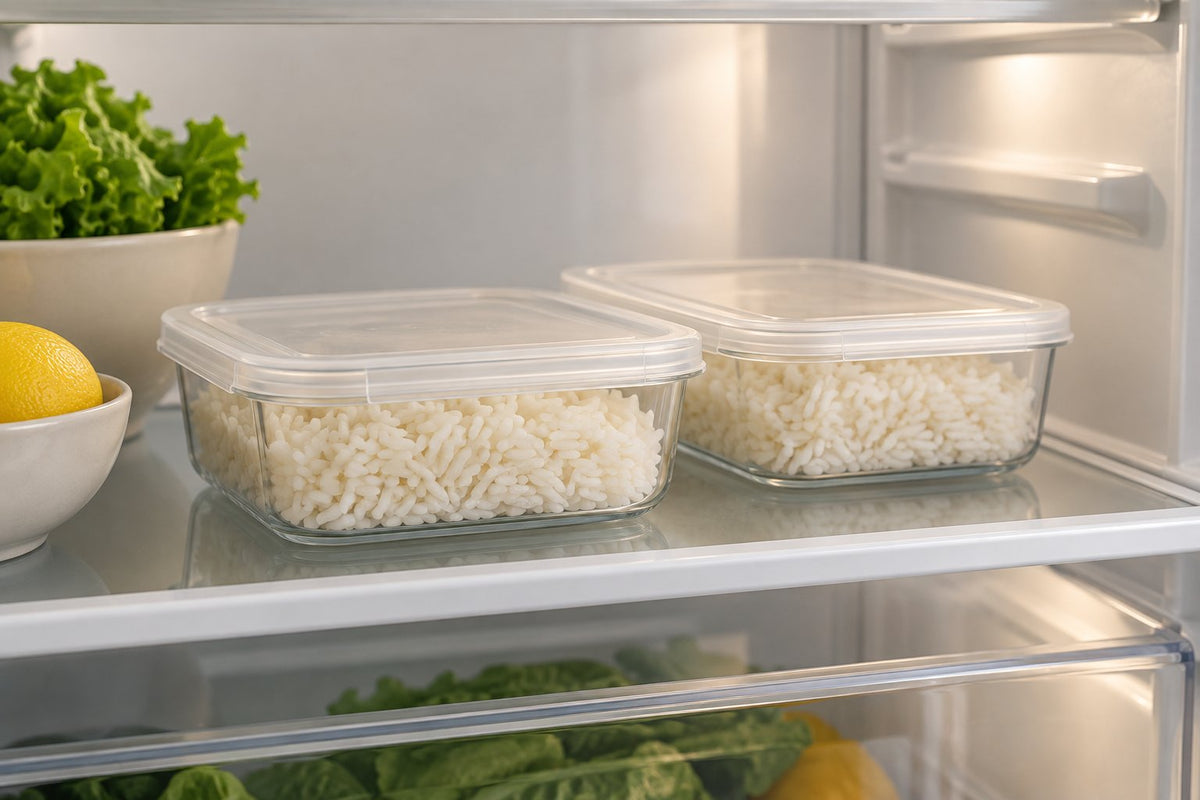
The UK Food Standards Agency's home food fact checker, updated 21 August 2026, advises chilling leftover rice as quickly as possible, ideally within one hour. Divide it into smaller portions rather than leaving it to cool in the cooker or pan. Refrigerate and consume within 24 hours. Reheat no more than once, checking that it is steaming hot throughout.
This article applies that named household guidance to a rice dish made with regular ghee. It is not a shelf-life test of a particular recipe or a commercial catering procedure.
Make the next meal decision early
Before cooking, set out clean containers for the portions you expect to save. Decide who will eat them and when. A note saying “rice for lunch tomorrow” is less useful than the cooking date and time, because “tomorrow” can conceal a long delay.
A simple household record can contain four fields: dish, cooking time, refrigeration time and planned use time. Record what actually happened. Do not fill in a missing time from wishful memory or start a new clock simply because the rice has moved into a different container.
Why reheating is not the whole answer
The FSA explains that uncooked rice can contain Bacillus cereus spores that survive cooking. Time at room temperature can allow bacteria or toxins to make cooked rice unsafe. That is why a later reheating step does not remove the need to manage cooling and storage correctly.
If you do not know how an earlier portion was handled, keep that uncertainty visible rather than describing it as suitable for tomorrow's meal. Prepare a fresh portion when you cannot establish that the guidance was followed.
Keep the saved portion identifiable
Put the saved portion where it can be found promptly, with its note attached to the container rather than left on a nearby worktop. In a shared fridge, tell the other person which meal it belongs to. The FSA's shared-kitchen guidance also advises keeping ready-to-eat food away from open raw meat and fish, using suitable sealed containers to prevent leakage.
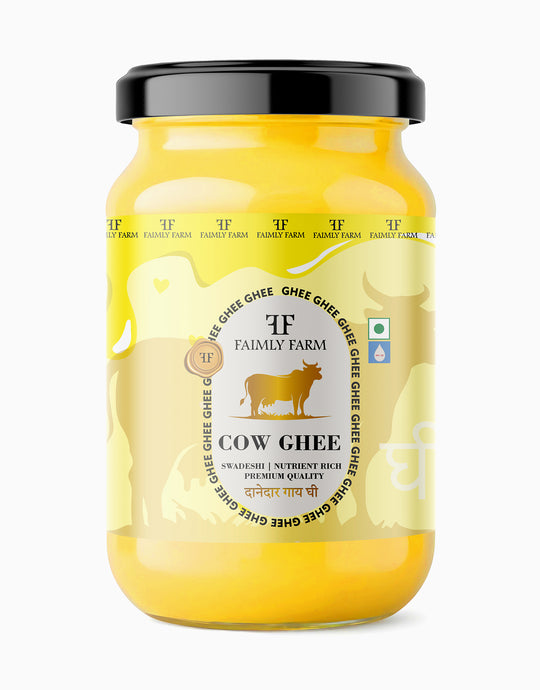
For the regular cow-ghee ingredient, the matching product is Danedar Cow Ghee. Its inclusion does not establish a longer storage period for cooked rice.
Quick questions
Does the 24-hour clock start when I reheat it?
No. Plan use within 24 hours of cooking under the cited FSA guidance.
Can I treat takeaway rice like a newly cooked home batch?
Do not assume its earlier handling. The FSA advises extra care because takeaway rice may already have been reheated; check with the business.
For transport and workplace storage, see packing a ghee-cooked lunch. Browse Health & Wellness.
Article prepared with AI assistance. Banner: AI-generated editorial illustration, not a photograph of a kitchen test, product pack, real production batch or historical event. No firsthand testing is claimed. Visit the Faimly Farm Journal.
Continue reading
View all stories
An Animal Study about Ghee Is Not a Human Benefit Claim
A focused reading method for spotting when a result in animals is presented as a proven benefit for people.
Read the story
Ghee Batch Numbers: How to Read a Food-Recall Notice
A general guide to matching product and batch details with an official notice, without assuming that every pack of a brand is affected.
Read the story
Keep the Ghee-Jar Spoon Separate from Cooking Utensils
A simple utensil setup that keeps scooping ghee separate from handling raw ingredients and serving food.
Read the storyExplore Faimly Farm ghee
Join the conversation