

A Greasy Gravy Finish: Adjust Ghee Before Adding More
Troubleshoot a greasy ghee gravy. Check recipe intent, total fat and reduction, then test small adjustments before changing the whole pan.
By Faimly Farm, with AI assistance · Published 21 October 2026
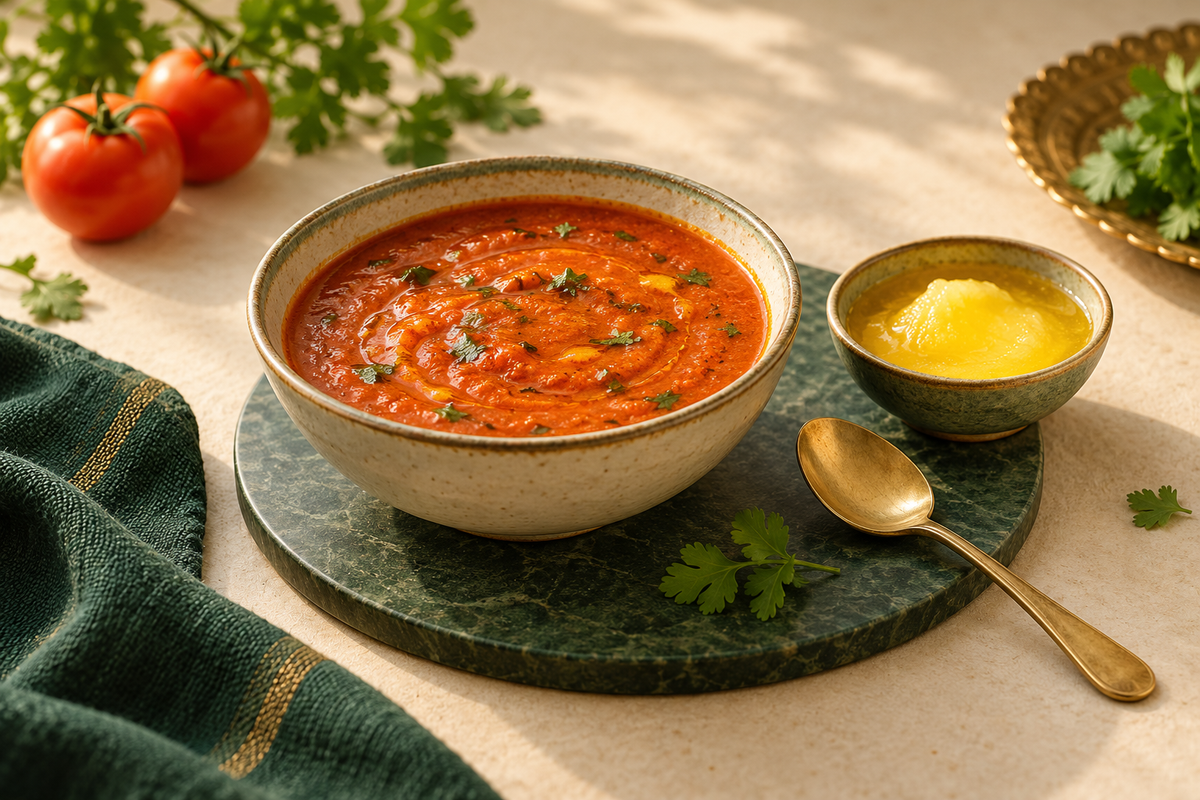
If a gravy has a greasy finish, stop adding ghee, assess the amount of free fat and adjust a small portion before changing the whole pan. Some gravies intentionally show separated oil during cooking; that visual stage is different from wanting a thick layer of fat in the served dish.
This regular-ghee troubleshooting guide addresses texture and proportion. It is not a safety test for leftovers, a universal curry formula or evidence that one ghee product emulsifies better than another.
Identify the intended gravy
A tomato-onion masala, a yogurt sauce and a thin dal behave differently. First read the recipe's target. Ask whether it expects the fat to separate briefly during cooking, to remain visible at service, or to be dispersed into a smooth sauce.
Then list every fat addition: initial cooking ghee, a separate tempering, cream or butter in another ingredient, and a finishing spoon. Repeating a finishing step after someone else already added it is an easy source of excess.
Try a small adjustment
- Lower or switch off the heat as the recipe allows. Avoid vigorous boiling while you decide what to change.
- If a clear excess layer is floating, carefully spoon off some into a separate heat-safe container. Do not return mixed gravy fat to the original ghee jar.
- Take a small bowl of gravy and test a spoonful of compatible warm liquid or an unsalted base prepared for that recipe. Stir and reassess flavour and consistency.
- If the small test improves it, scale the adjustment gradually to the pan. Record the amount added.
- Serve a modest test portion before adding any further fat-rich garnish.
Water can loosen a sauce, but it also dilutes salt, acid and spice. Adding flour directly to a finished gravy may create lumps. An ingredient that thickens one sauce can be unsuitable for another; avoid turning a simple proportion issue into several uncontrolled additions.
Prevent recurrence
Measure the fat for the whole recipe before starting and reserve any finishing portion separately. If a recipe is doubled, confirm the pan size and reduction rather than assuming the same evaporation. A much smaller final yield concentrates the fat as well as the seasoning.
Use a note such as “10 g cooking ghee, 5 g reserved for tempering, four portions.” These are hypothetical planning amounts, not a recommended intake or a formula for every curry.
When the issue is not culinary
An unexpected appearance in food with an uncertain storage history should not be diagnosed by tasting or by this guide. Follow the storage rules for the whole dish. FDA food-storage guidance explains that unsafe food may not look or smell spoiled. A reheating or thickening trick does not make improperly stored food safe.
Questions cooks ask
Is visible fat always a failed gravy?
No. Check the recipe's intended cooking and serving stages.
Will more ghee fix a split sauce?
Not automatically. First identify the sauce and test a small adjustment.
Can I return skimmed fat to my jar?
No. It is mixed with the cooked dish and should not contaminate the storage jar.
Does A2 ghee prevent separation?
No supporting comparison is supplied here. Treat sourcing and sauce technique separately.
Relevant product context
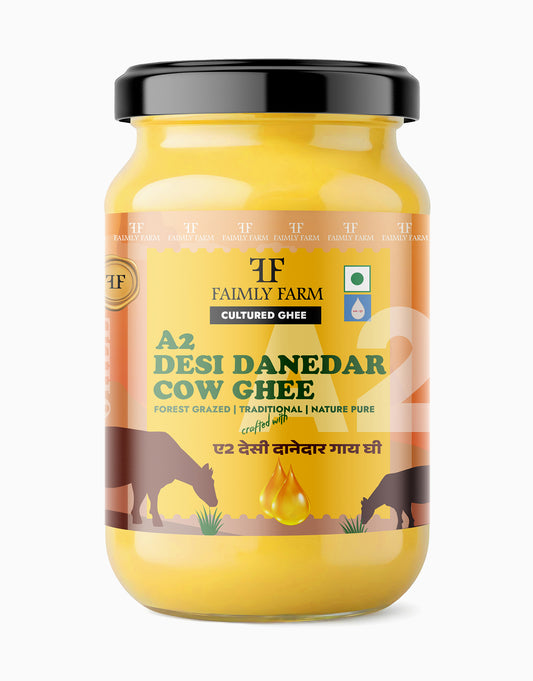
Faimly Farm Shuddh Desi Cow Ghee is a verified regular cow-ghee listing relevant to this culinary task. Choose by your preference and the current selected pack. This article does not demonstrate superior texture, health or performance, and does not independently validate purity, certification or health wording in the product listing.
Related Faimly Farm reading
- For parent cooking index, read Ghee for Cooking: Best Uses, Smoke Point, and Everyday Recipes.
- For count all recipe fat additions, read Ghee in a Shared Dish: Estimate Its Contribution to Each Portion.
- For keep culinary faults separate from storage risk, read How to Store Ghee: Shelf Life, Storage Tips, and Signs It Has Gone Bad.
Sources and links checked 21 October 2026. This is educational editorial content; examples and proposed recipes are identified in the text. Banner: AI-generated illustration, not an actual product or tested-batch photograph. Return to the Faimly Farm Journal.
Continue reading
View all stories
Used Ghee After Cooking: Keep It Out of the Drain
A household cleanup routine for unwanted cooking ghee, with local waste-rule checks.
Read the story
Savoury Bread Pudding with Ghee: Soak the Bread, Set the Centre
Make a small vegetable bread pudding and check the egg centre with a thermometer.
Read the story
Broccoli with Regular Ghee: Steam Briefly, Then Finish in the Pan
Cook even broccoli florets and finish with measured regular ghee without leaving water in the pan.
Read the story
Join the conversation