

Used Ghee After Cooking: Keep It Out of the Drain
A household cleanup routine for unwanted cooking ghee, with local waste-rule checks.
By Faimly Farm · 22 October 2026 · Prepared with AI assistance.
Do not pour unwanted ghee into a sink or toilet. Let it cool, collect it and use the disposal route accepted by your local waste service. This guide is about ghee you have decided to discard, not advice to reuse frying fat or assess whether leftovers are safe to eat.
Why the drain is the wrong destination
Water utility Thames Water identifies fats, oils and grease as materials to keep out of drains. They can accumulate and contribute to blockages. A small amount left after a pan-finished dish still belongs in the cleanup plan; a clear-looking sink does not show what is happening further along the pipe.
Separate collection from washing up
Thames Water's fat-disposal guidance recommends cooling cooking fat, scraping it into waste, collecting liquid oil in a sealable container and wiping greasy dishes before washing. It also advises checking local collection or recycling options. Hot water and washing-up liquid are not reliable ways to prevent grease accumulating downstream.
That source describes a UK utility's disposal arrangements. For your household in India, ask the municipal waste service or building's authorised collector which container and waste stream it accepts. Do not assume a local oil collection point exists or that a household food-waste bin accepts cooking fat.
A small kitchen routine
- Choose the collection place. Keep a dedicated, clearly marked container away from edible ingredients. Select it to suit your collector's directions; only transfer fat once cool.
- Keep a scraper ready. Collect the residue before the pan reaches the washing-up area. This makes the step visible to anyone helping clear the table.
- Record the destination. A short note beside the container can name the accepted collection route and who checks when it needs emptying.
- Keep washing separate. After excess fat and food scraps have been removed, wash the cookware according to its care instructions.
Questions to ask the collector
Ask whether it accepts household cooking fat, how it should be contained, whether food particles are allowed and where it must be left. Record the answer for your building rather than copying another city's rules. If you cook commercially, request the applicable business collection instructions instead of applying this household checklist.
Quick questions
Can I flush it down the toilet instead?
No. Changing drains does not create an appropriate disposal route.
Does cooling make it suitable for the sink?
No. Cooling is a handling step before collection, not permission to pour fat away.
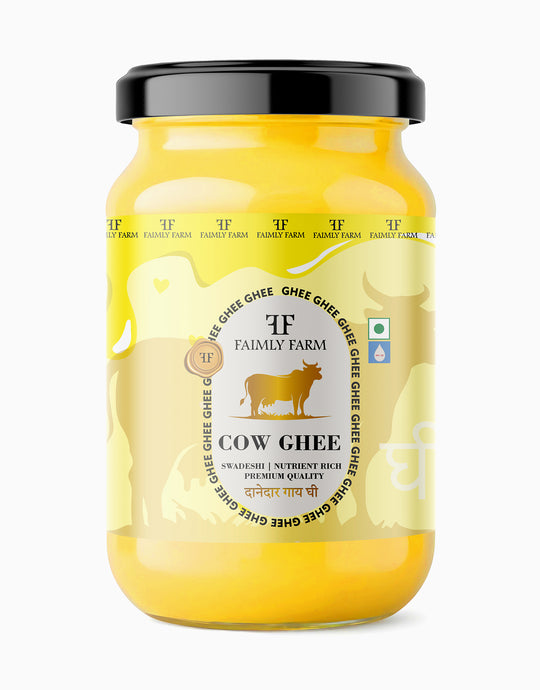
Regular edible Danedar Cow Ghee is the cooking range associated with this guide; the cleanup principle is not a special product feature. For the empty packaging, see non-food jar reuse. Browse Ghee & Beyond. Sources checked 22 October 2026.
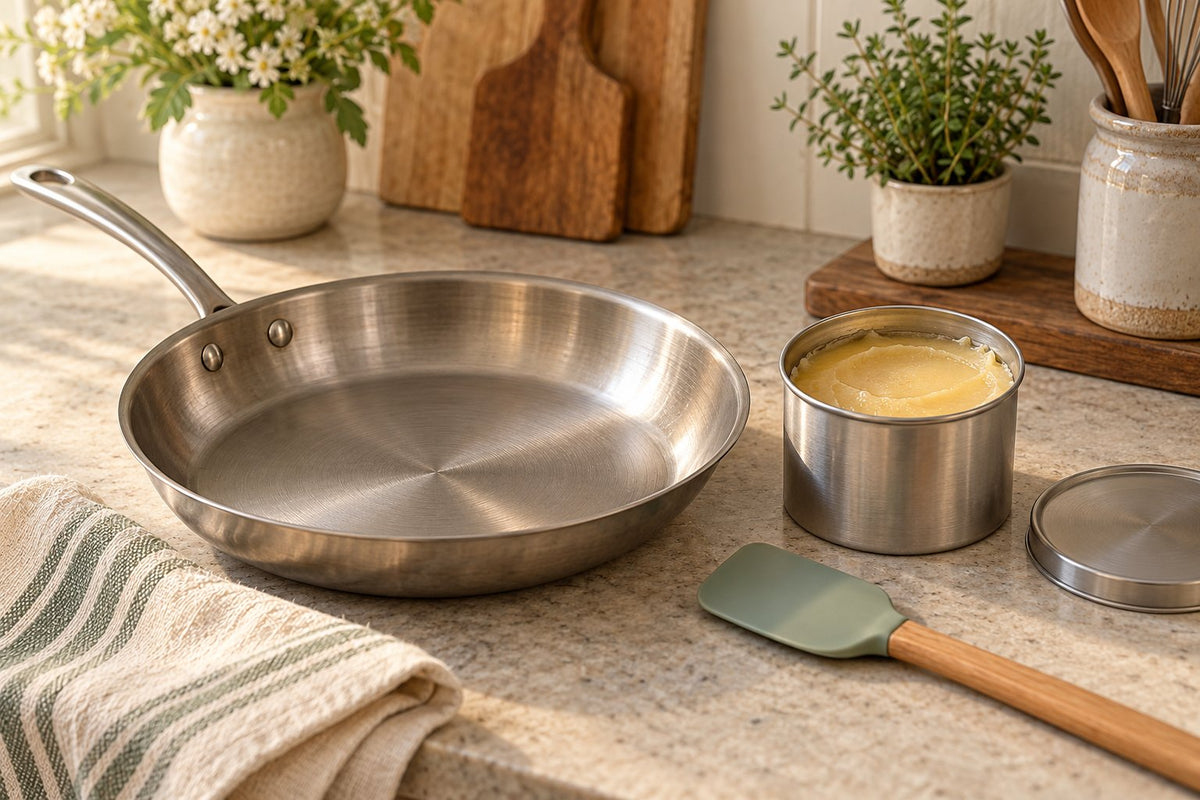
Article prepared with AI assistance. Banner: AI-generated editorial illustration, not a photograph of a kitchen test, product pack or family archive. No firsthand testing is claimed. Visit the Faimly Farm Journal.
Continue reading
View all stories
Savoury Bread Pudding with Ghee: Soak the Bread, Set the Centre
Make a small vegetable bread pudding and check the egg centre with a thermometer.
Read the story
Broccoli with Regular Ghee: Steam Briefly, Then Finish in the Pan
Cook even broccoli florets and finish with measured regular ghee without leaving water in the pan.
Read the story
Two Small Ghee Jars or One Large Jar? Compare the Household Fit
Compare equal total quantities by unit cost, storage and allocation without treating the cheapest unit as an automatic winner.
Read the storyExplore Faimly Farm ghee
Join the conversation