

Keeping a Ghee Finish Optional at a Family Meal
A practical serving plan for different taste preferences, with a clear distinction between ghee already cooked into food and an optional finish.
By Faimly Farm · 23 October 2026 · Prepared with AI assistance.
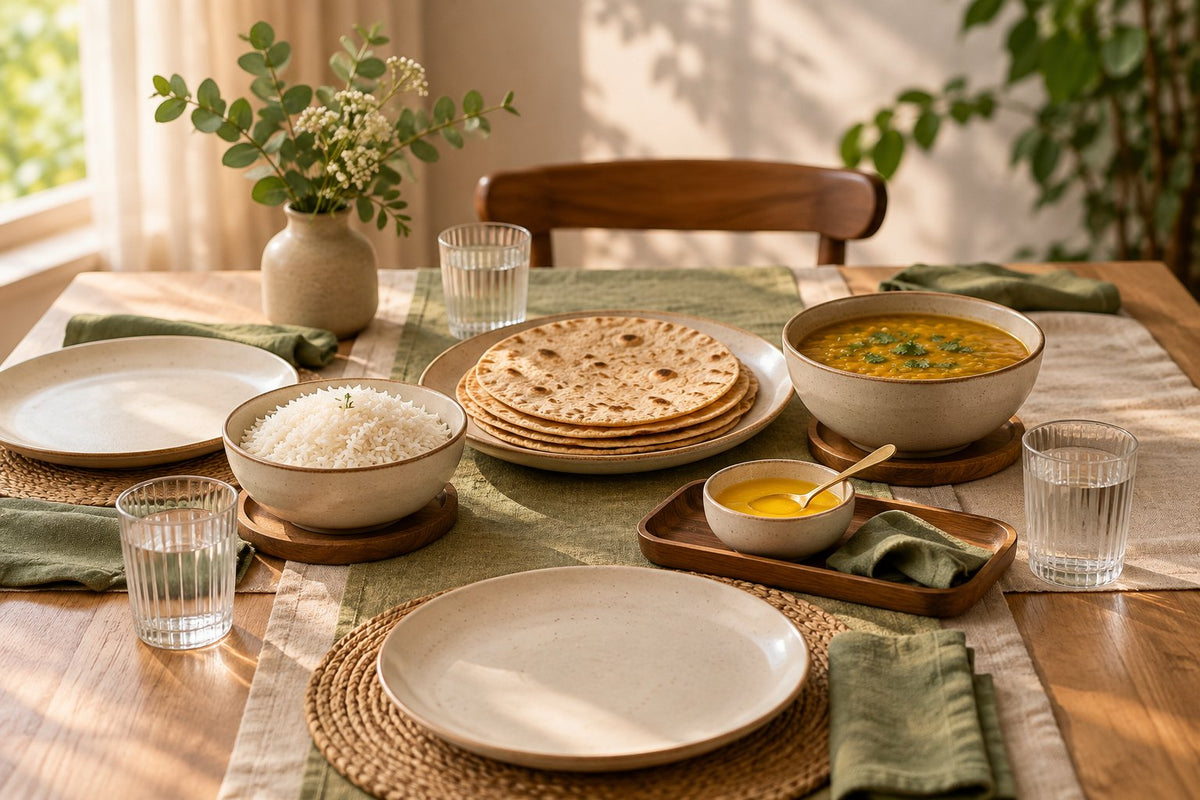
If family members want different amounts of ghee, decide which dishes can be served with an optional finish before cooking begins. Put the finishing ghee in its own bowl and ask before adding it to someone's plate. A table-side choice cannot remove ghee already used in the dish.
Separate two decisions on the menu
Write down “used during cooking” and “offered at the table” separately. For a meal of rice, dal and roti, the rice might be plain, the dal might already contain a measured tempering, and the roti might be brushed only when requested. These are planning examples, not a claim that every household serves these foods in one traditional way.
Read the actual recipe first. Some dishes rely on fat during preparation; leaving it out may require a different recipe rather than simply moving the same amount to a serving bowl. Optional finishing is easiest to explain when the base dish is deliberately prepared that way.
Use an honest serving description
| What happened in the kitchen | Useful wording at the table |
|---|---|
| Ghee was used in the tempering | “The dal already contains ghee. Would you like any extra?” |
| A plain roti has not been brushed | “Would you like this brushed, or left as it is?” |
| The preparation details are uncertain | “Let me check before I describe the ingredients.” |
These scripts answer the immediate serving question without judging anyone's choice. Do not describe a portion as “without ghee” merely because no final spoon was added.
Set up one small finishing station
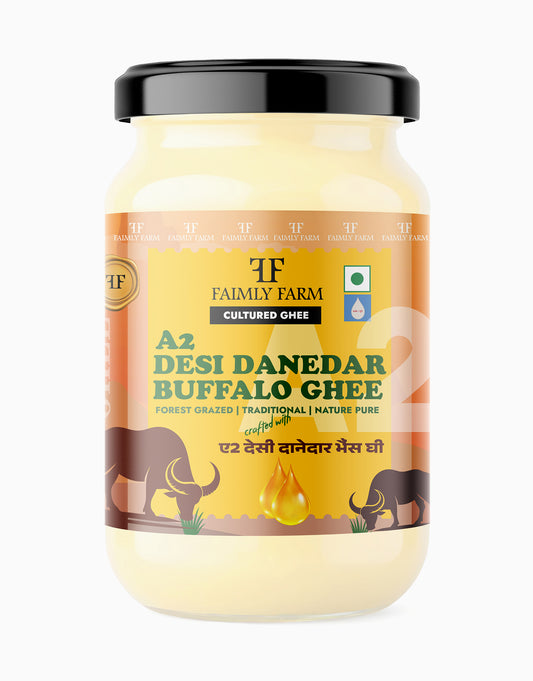
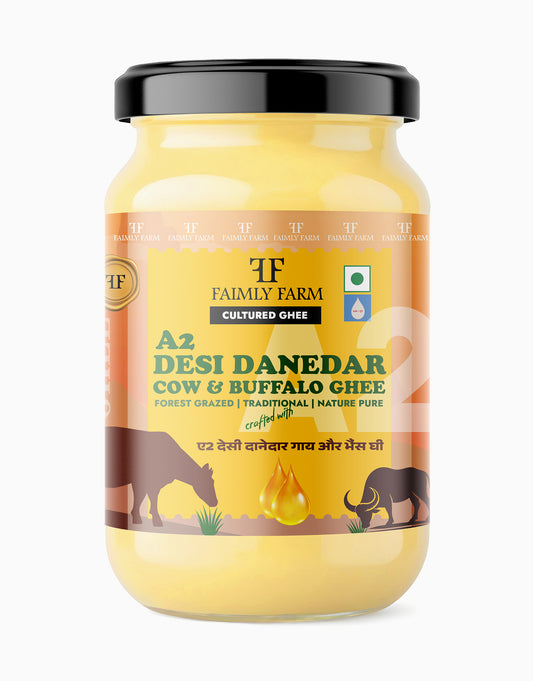
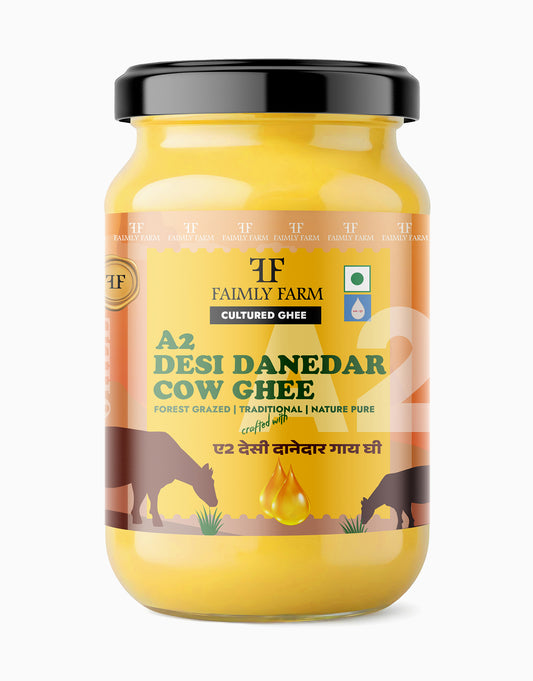
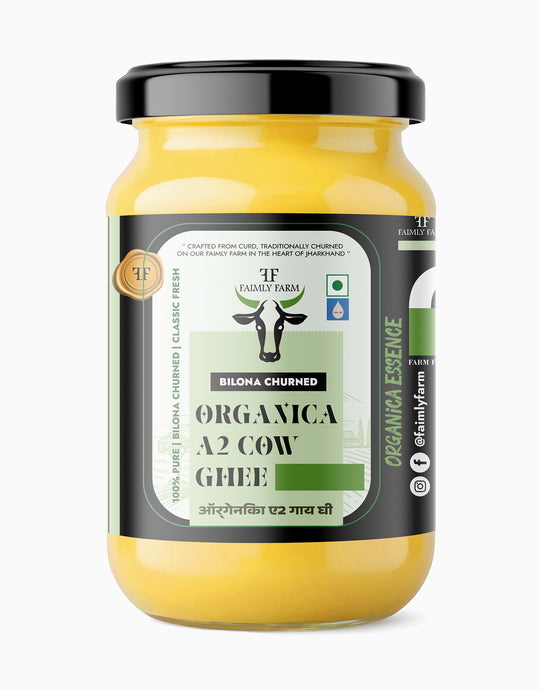
For this A2 serving plan, identify the bowl as Organica A2 Cow Ghee Bilona Churned. Keep the original pack available if someone wants to read it. Place a spoon with the bowl and use a separate utensil for each other condiment, so the serving routine stays understandable.
Transfer only what you expect to offer for the meal rather than circulating the main jar around every plate. The separate jar-spoon guide covers handling; this page focuses on the conversation and menu plan.
Make preference a choice, not a debate
Ask once, accept the answer and move on. “A little,” “none” and “I'll add my own” are all workable responses. For a child, let the responsible adult decide how their food is served; do not turn a shared meal into a nutrition argument.
This arrangement handles taste and serving preferences. It is not an allergy-control plan or a guarantee that the base dish is dairy-free. For an allergy or other medically important restriction, check the full ingredients and preparation separately before choosing a suitable meal.
Keep the family record accurate
If you are writing down the meal for later, note both quantities: what went into the cooking and what was offered afterwards. Record the serving choice as a present-day household practice, not proof of how an entire region has always eaten.
Quick questions
Must everyone use the same finish?
No. An optional finishing station is useful precisely because people can choose.
Can extra ghee be used to fix an oversalted dish?
This guide does not offer that correction. Taste and adjust the dish through its recipe before serving.
Browse Tradition & Culture.
Article prepared with AI assistance. Banner: AI-generated editorial illustration, not a photograph of a product pack, kitchen test, family event or historical artefact. No firsthand testing is claimed. Visit the Faimly Farm Journal.
Continue reading
View all stories
A Dairy Cooperative and an A2 Ghee Label Answer Different Questions
How to distinguish an organisation's ownership structure from a ghee product description, with questions for checking cooperative claims.
Read the story
Small-Batch A2 Ghee: Ask About Quantity, Stage and Date
A focused way to ask what a small-batch description means without assuming a batch size or made-to-order service.
Read the story
Checking an FSSAI Licence on an A2 Ghee Label
A practical record-checking routine, with clear limits on what licence verification tells you about an A2 ghee product.
Read the storyExplore Faimly Farm ghee
Join the conversation