
A Dairy Cooperative and an A2 Ghee Label Answer Different Questions
How to distinguish an organisation's ownership structure from a ghee product description, with questions for checking cooperative claims.

“Cooperative” concerns an organisation and its members; an A2 ghee label identifies a product description. Neither term, by itself, answers the other's question. When a dairy story uses both, check the organisation's records separately from the jar's product information.
Start with the organisation
The National Dairy Development Board's institution-building guidance describes cooperatives as owned and controlled by their members. It discusses village dairy cooperative societies and district or regional milk unions, alongside member participation and governance. This is a description of the cooperative model, not verification of any particular seller's ownership.
A photograph of farmers, a rural brand name or the fact that a business buys milk does not supply that ownership evidence. Ask which named legal organisation the cooperative claim concerns. A brand, a collection point and a milk union may be different parts of a story.
A short evidence worksheet
| Question | Record to request or locate |
|---|---|
| Who is described as the cooperative? | The exact organisation name and a current official record identifying it. |
| Who are its members? | The organisation's own membership explanation, distinguishing members from other suppliers. |
| How do members participate? | Its published governance information, rules or member-meeting material. |
| What connects it to this jar? | A specific, current explanation of the organisation's role in the product's supply chain. |
Keep unanswered fields blank. “We work with farmers” is a different statement from “farmers own and control this organisation.” Do not rewrite one as the other. If a document is old, record its date and ask whether the relationship it describes is still current.
Then read the product separately
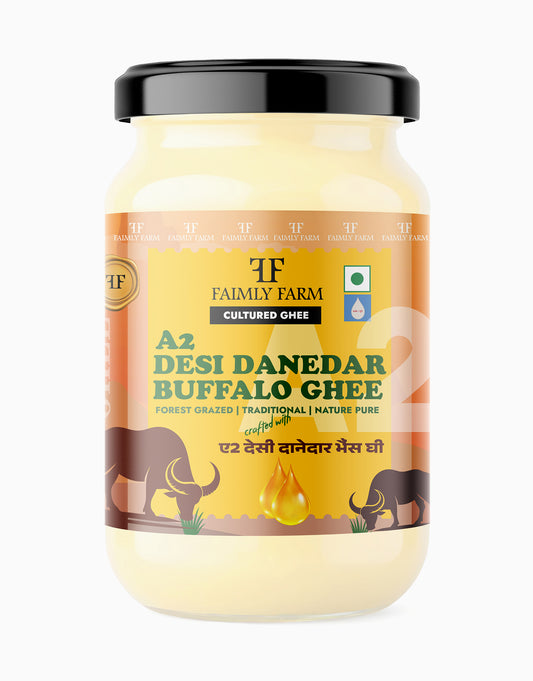
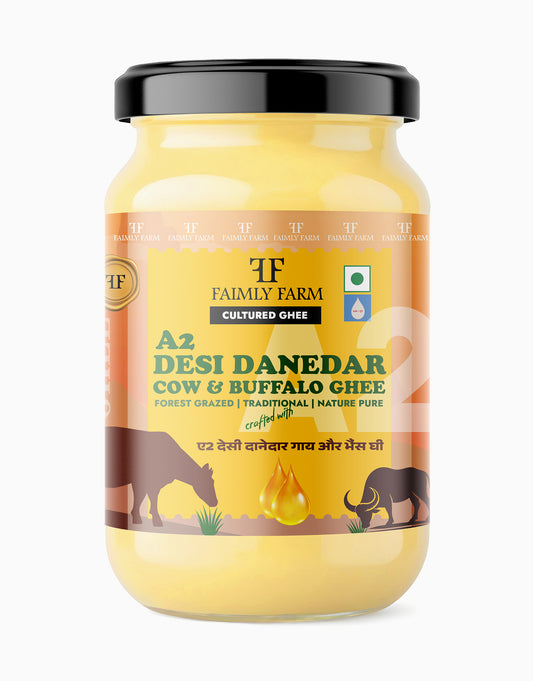
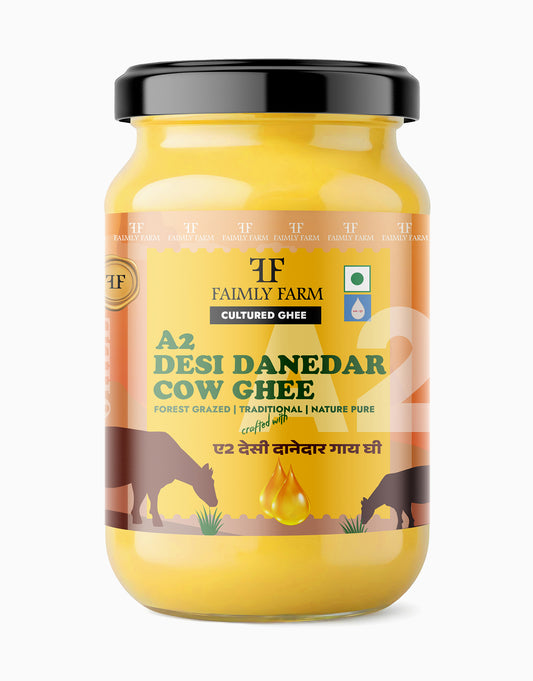
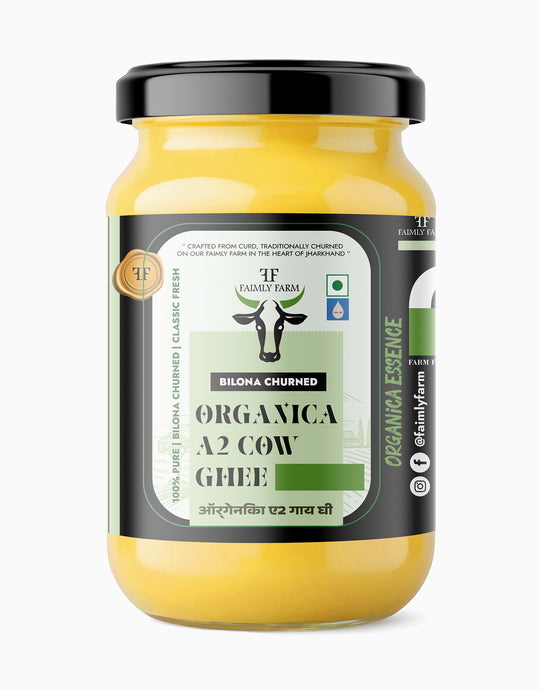
For a contemporary A2-range example, Organica A2 Cow Ghee Bilona Churned is the selected Faimly Farm product. Read the current product page and actual pack for its identity and directions. This link does not claim that Faimly Farm is a cooperative, that NDDB endorses it or that a cooperative supplied this specific jar.
Likewise, the A2 name is not evidence of member voting rights, farmer payment terms or a nutrition advantage. Those would be different claims needing their own evidence.
Write a careful note for someone else
Use two sentences in a shopping or research note: “The organisation describes its structure as …, in [named dated record]. The selected product is …, according to [current listing or pack].” Add the supply-chain connection only when a source actually establishes it. This format makes uncertainty visible without dismissing the value of either kind of information.
Quick questions
Does a farmer photograph establish cooperative ownership?
No. Locate the organisation's records and identify whose membership and control are being described.
Does an A2 product name verify the supplier relationship?
No. Keep the product identity and organisational relationship as separate checks.
For another way to assess source stories, read what seasonal milk records can show.
Browse Tradition & Culture.
Prepared by Faimly Farm with AI assistance. Sources and catalogue checked 23 October 2026. Banner: AI-generated editorial illustration, not a photograph of a product pack, kitchen test, museum object or historical event. Visit the Faimly Farm Journal.
Continue reading
View all stories
Keeping a Ghee Finish Optional at a Family Meal
A practical serving plan for different taste preferences, with a clear distinction between ghee already cooked into food and an optional finish.
Read the story
Small-Batch A2 Ghee: Ask About Quantity, Stage and Date
A focused way to ask what a small-batch description means without assuming a batch size or made-to-order service.
Read the story
Checking an FSSAI Licence on an A2 Ghee Label
A practical record-checking routine, with clear limits on what licence verification tells you about an A2 ghee product.
Read the storyExplore Faimly Farm ghee
Join the conversation