

Ghee Tempering for Dhokla: Spread the Topping without Soaking the Cake

Share
By Faimly Farm · 17 October 2026
Use ghee to temper an already steamed dhokla by briefly sizzling mustard seeds and curry leaves, then distributing the topping over the surface. Keep any water-based moistening step separate so you can control how much the cake absorbs.
Topping for about 300 g prepared plain dhokla; approximately 10 minutes.
Ingredients
- 300 g freshly cooked plain dhokla, allowed to settle and cut into pieces
- 10 g ghee
- ½ teaspoon mustard seeds
- 6–8 curry leaves, washed and dried thoroughly
- 1 mild green chilli, slit, optional
- Chopped coriander
- Optional: 2–3 tablespoons warm drinking water, a pinch of sugar and a little lemon juice
Method
- Prepare the dhokla using its own complete recipe or packet instructions. This guide covers the finishing stage only.
- Arrange the cut pieces in one layer on a rimmed serving plate. Check whether they are already moist before preparing extra liquid.
- Warm ghee in a small pan over moderate-low heat. Add mustard seeds and allow them to begin popping, keeping your face and hands away.
- Reduce heat and carefully add thoroughly dried curry leaves and optional chilli. Use a splatter guard if needed and heat briefly without burning.
- Switch off and spoon the hot topping evenly over the dhokla, sharing the seeds and leaves rather than emptying everything onto one corner.
- If the cake needs moistening, dissolve the optional sugar in warm water separately, add a little lemon and spoon on only a small amount at a time. Never pour water directly into hot ghee.
Check the cake before adding liquid
Different dhokla recipes have different moisture levels. A soft steamed cake may need only the fat-and-spice topping, while a drier batch may benefit from a small measured moistening mixture. Test one edge piece before treating the whole plate. A wet plate underneath is a signal to stop. Adding extra ghee will not reverse a waterlogged cake.
Keep the finishing flavours modest on the first attempt so they do not overwhelm the dhokla itself. If using a ready-made product, check its existing seasoning and allergens. Use food-grade ghee and note that it is milk-derived. Do not describe a preparation as dairy-free merely because the steamed base contains no milk.
Frequently asked questions
Can I use ghee instead of oil for this topping?
Yes, in this measured finishing method. Expect its own flavour and a firmer texture as it cools.
Why did the curry leaves splutter strongly?
Clinging water can splutter in hot fat. Dry the leaves thoroughly and add carefully.
Does this include a dhokla batter recipe?
No. It starts with fully cooked dhokla; use a complete batter-and-steaming recipe separately.
Leftovers: refrigerate within two hours; use within 48 hours or freeze. Reheat once, until steaming hot. Source checked 17 October 2026: Food Standards Agency: Cooking Your Food.
More ways to cook with ghee
For a broader reference, see The Complete Guide to Cooking with A2 Ghee. Continue with Ghee-Tempered Carrot Poriyal: A Quick Side Dish and Lemon Rice with Ghee: Tempering and Timing.
Choosing ghee for this recipe
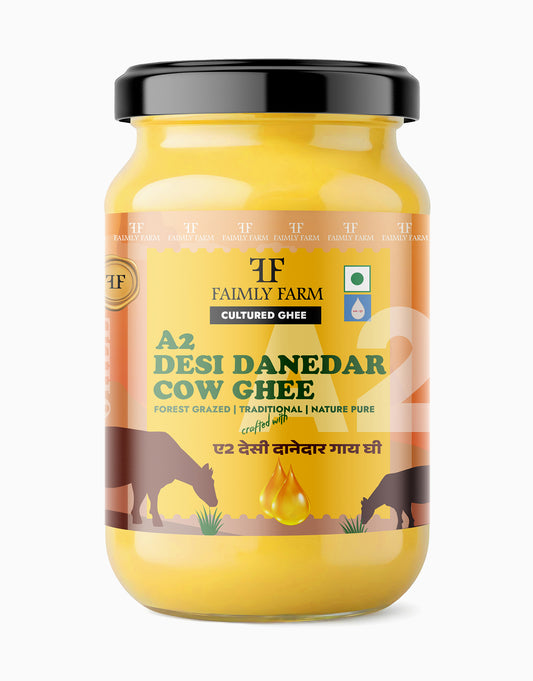
For a cow-ghee tempering, view Faimly Farm Desi Danedar A2 Cow Ghee. Spoon the measured topping evenly across the dhokla; choosing another ghee does not require flooding the cake with extra topping.
Check the selected pack's ingredients, storage directions and current availability. Ghee is milk-derived; an A2 description does not make this recipe dairy-free.
Practise a different finishing sequence with Beetroot Poriyal with Ghee: Tender Cubes Before the Coconut Finish: cook the vegetable first, then add the coconut.
Prepared with AI assistance. This recipe has not been independently kitchen-tested by Faimly Farm; use the cooking cues and adjust for your ingredients and equipment. Featured banner: AI-generated editorial illustration, not a photograph of a tested recipe.