

Two Small Ghee Jars or One Large Jar? Compare the Household Fit
Compare equal total quantities by unit cost, storage and allocation without treating the cheapest unit as an automatic winner.
By Faimly Farm · 22 October 2026 · Prepared with AI assistance. No firsthand testing or expert review is claimed.
Compare small and large ghee jars using equal total quantities, delivered cost and the way your household will allocate and store them. The lowest price per unit is one consideration; buying a pack you cannot use conveniently is not automatically a saving.
Make the quantities comparable
Two 500 mL jars and one 1 L jar contain equal declared volume. Two 500 g jars and one 1 kg jar contain equal declared mass. Do not compare a litre with a kilogram as if they were identical.
Suppose, hypothetically, two small jars together cost ₹1,600 delivered and a large jar with the same total declared volume costs ₹1,450 delivered. The price difference is ₹150. These are invented figures for the worksheet, not Faimly Farm prices or evidence that either pack format is available.
Assign the jars to real uses
- One kitchen: check shelf space and the product's directions before choosing.
- Two households: separate labelled jars may be easier to allocate than dividing one pack. Do not assume repacking preserves the original directions and identification.
- Occasional cooking: review actual use; a lower unit price does not justify surplus.
- Different milk-source preferences: verify the exact product in each jar rather than treating “ghee” as one interchangeable SKU.
Compare more than the front price
Record selected product, quantity, number of containers, delivery charges, storage instructions and who will use each jar. Include only confirmed charges. A large pack's starting price may refer to a different source or variant, so inspect the selection before calculating.
Do not infer a longer shelf life or better purity from jar size. Use the actual label and date marking. A second unopened container can be convenient, but this article does not promise a specific storage life after opening or certify a packaging system.
A decision sentence
Finish the worksheet with: “We chose [format] because [quantity and household use], at [verified total], with [unresolved question].” That makes the reason visible when you reorder rather than turning the decision into “bigger is always better.”
Questions
Does a larger jar always cost less per unit?
Check current equal-quantity totals; no universal saving is established.
Can I compare grams directly with millilitres?
Not by changing the unit symbol.
Does this page verify a multipack offer?
No. Confirm actual products and packs before ordering.
Relevant product context
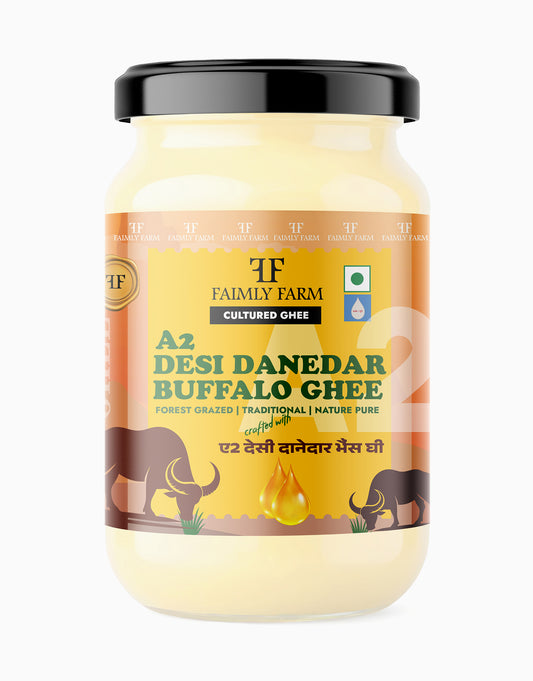
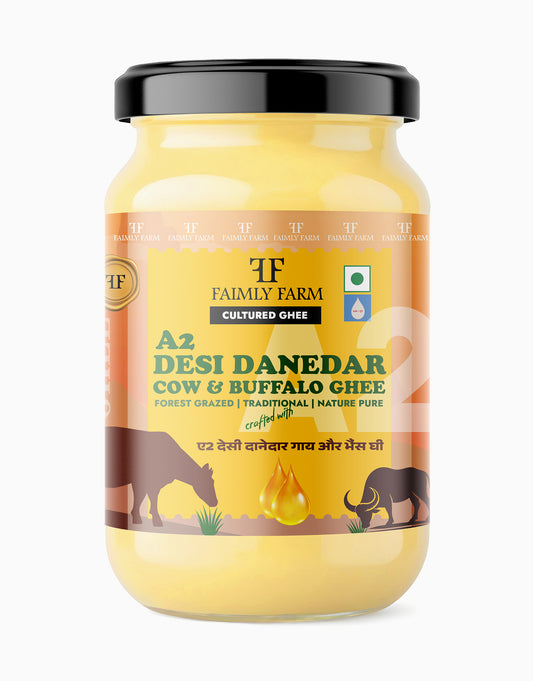
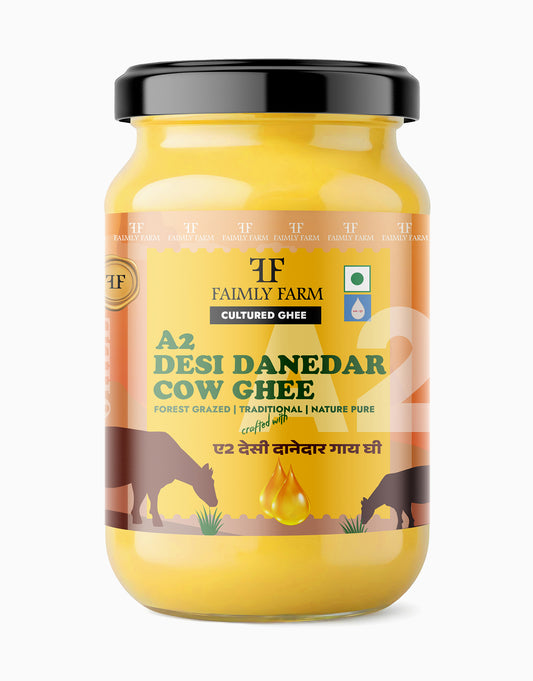
Danedar Cow Ghee is a verified live regular cow-ghee listing relevant to this task. Faimly Farm sells this product. Check the selected pack and current label; this link does not independently verify marketing claims, establish superiority or promise a gift service or stock.
Related practical guides
- How Long Will a 500 mL Ghee Jar Last? A Household Use Worksheet
- Bilona Ghee Price: Comparing 1 kg, 1 Litre and 500 mL Packs
- One-Time Ghee Order or Subscription? A Household Decision Worksheet
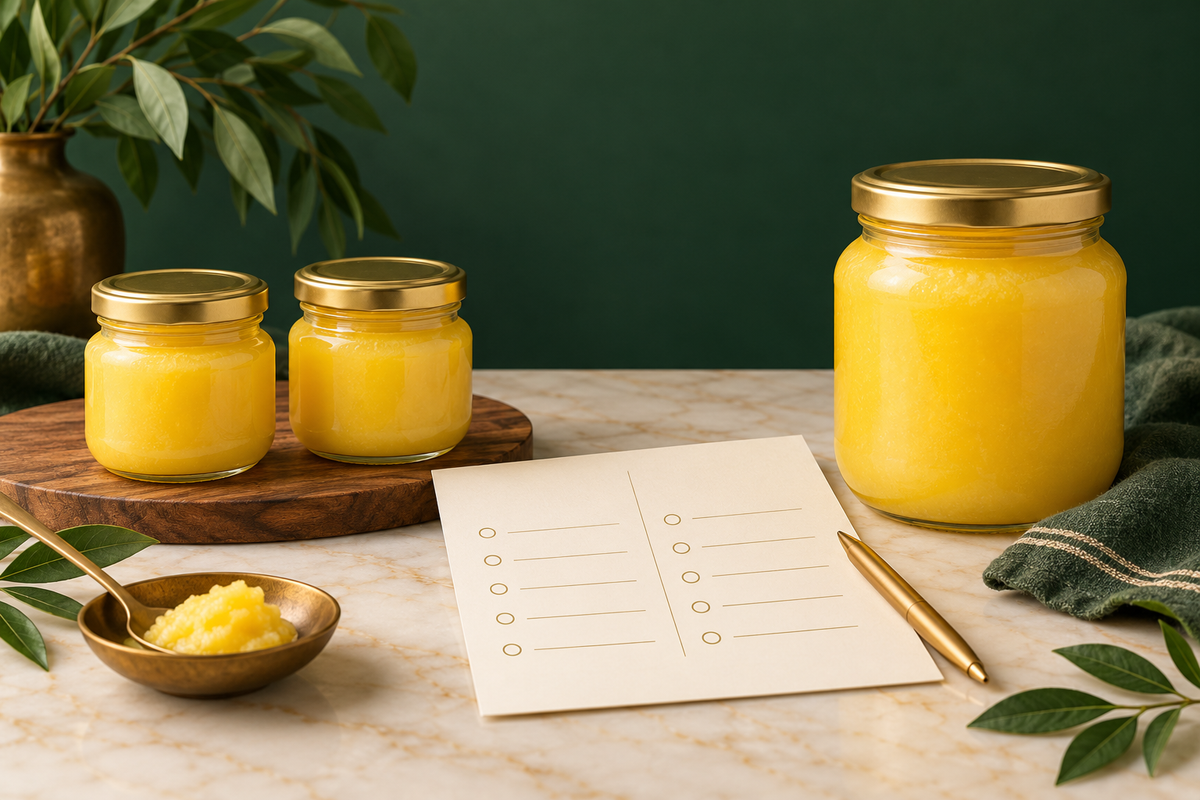
Sources, catalogue and related records checked 22 October 2026. Banner: AI-generated editorial illustration, not a photograph of an actual batch, farm, test or packaging. Visit the Faimly Farm Journal.
Continue reading
View all stories
Used Ghee After Cooking: Keep It Out of the Drain
A household cleanup routine for unwanted cooking ghee, with local waste-rule checks.
Read the story
Savoury Bread Pudding with Ghee: Soak the Bread, Set the Centre
Make a small vegetable bread pudding and check the egg centre with a thermometer.
Read the story
Broccoli with Regular Ghee: Steam Briefly, Then Finish in the Pan
Cook even broccoli florets and finish with measured regular ghee without leaving water in the pan.
Read the story
Join the conversation