

Toasted Breadcrumbs with Regular Cow Ghee: A Crisp Topping
Turn plain dry breadcrumbs into a lightly seasoned topping using regular cow ghee, with gentle-heat cues and help for soft or uneven crumbs.
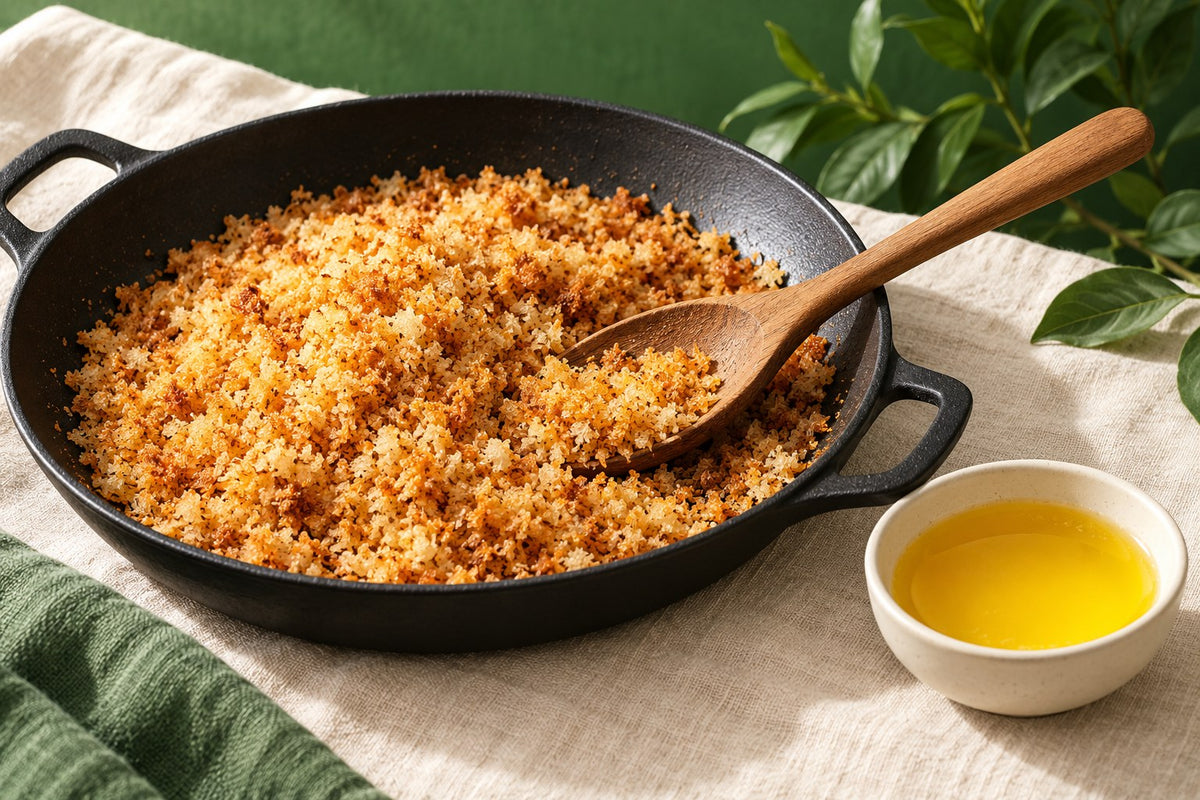
For loose, crisp breadcrumbs, use dry plain crumbs, a broad pan and gentle heat. Stir them through a measured amount of regular cow ghee, stop at light golden brown and spread them on a plate immediately. Add them to the finished dish just before eating.
These crumbs are a finishing ingredient for roasted vegetables, a bowl of soup or cooked pasta. They are smaller than croutons and distribute across a dish rather than forming separate bread bites. This batch makes about six modest topping portions. Allow around 15 minutes, including a few minutes for cooling. It is an original proposed recipe and has not been kitchen-tested.
Ingredients and equipment
- 80 g dry, plain, unseasoned breadcrumbs
- 2 teaspoons regular cow ghee; use a 5 mL measuring teaspoon
- ¼ teaspoon ground cumin, optional
- ⅛ teaspoon ground black pepper
- ⅛ teaspoon fine salt initially, then adjust after tasting
Use a heavy frying pan about 22–24 cm wide, a spatula and a clean large plate. Use uniformly sized crumbs so they colour at a similar rate.
Ready-made dried breadcrumbs make the timing easier to judge. Check their ingredients for salt and seasoning before adding yours. If making crumbs from bread at home, dry and cool the bread first, then pulse it to the size you want and weigh the crumbs. That drying step is additional preparation, not part of the timing here.
Match the recipe to the regular-ghee range
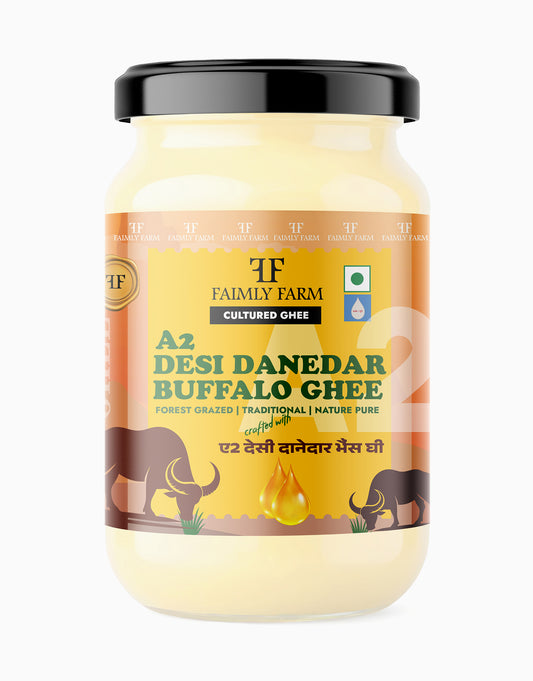
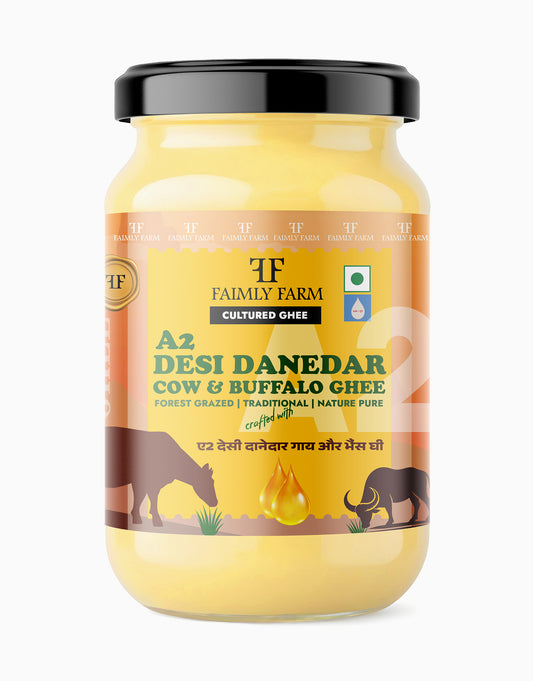
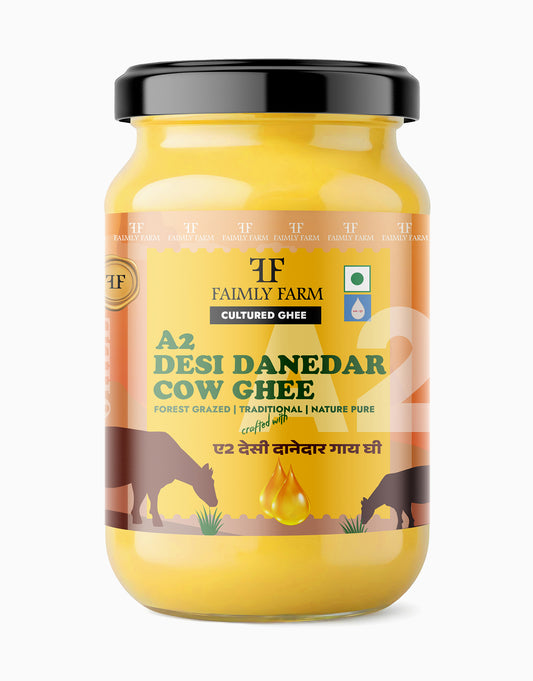
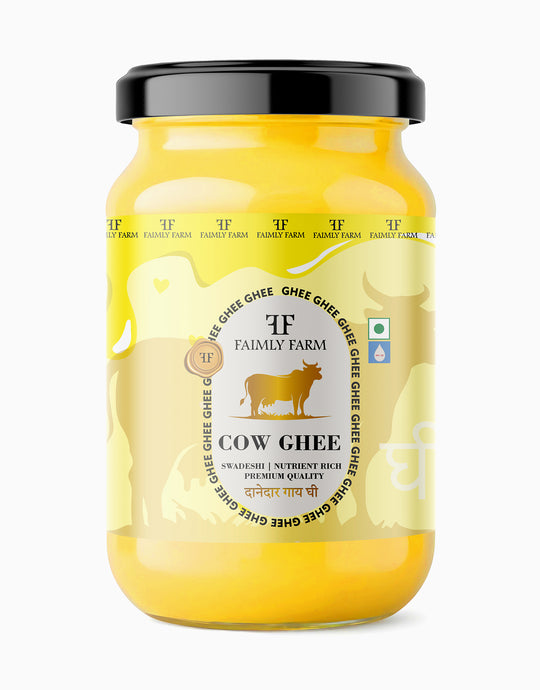
Faimly Farm Danedar Cow Ghee is a regular cow-ghee option for this topping. Choose the current pack that suits your kitchen and review its product information. Crispness depends on dry crumbs, heat and handling; this recipe does not establish a performance advantage for a particular product.
Stovetop method
- Prepare a cooling plate. Set the plate beside the stove and have the weighed crumbs and measured seasonings ready before heating the pan.
- Melt the ghee gently. Put the pan over low to medium-low heat and add the measured ghee. Swirl it into a thin film. The ghee should melt without smoking.
- Add and distribute the crumbs. Tip in the dry breadcrumbs. Stir thoroughly to distribute the ghee, breaking up small clumps with the spatula. Spread the crumbs across the pan instead of leaving them in a mound.
- Toast while stirring. Cook for about 5–8 minutes, stirring frequently and moving crumbs away from hot spots. Turn the heat down if one patch colours much faster than the rest. Stop when most crumbs are light golden and smell toasted; a pale crumb tastes less developed, but dark brown is not the target.
- Season and empty the pan. Reduce the heat to its lowest setting, add the optional cumin and black pepper, and stir for about 15 seconds. Switch off the heat, add the initial salt and immediately spread the crumbs on the plate. Taste a cooled spoonful before adding more salt.
- Finish the meal. Let the crumbs cool for a few minutes and loosen them with a fork. Sprinkle a small portion over the finished dish just before serving. Keep the topping separate until then so it does not sit in sauce or soup.
Fix the cause of a soft or uneven topping
Soft crumbs: the starting bread may not have been sufficiently dry, or the topping may already have absorbed moisture from the dish. For this recipe, begin with dry crumbs and add them at the table. Do not keep pouring ghee into a damp batch in the hope that it will dry it.
Greasy clumps: check that the crumbs were weighed and the teaspoons measured. Break small clumps apart while stirring. Next time, distribute the ghee through the full batch before deciding that more is needed.
Dark specks and a bitter smell: lower the heat and inspect the crumb size. Very fine particles can darken before larger ones. If the topping is scorched, start again; extra seasoning will not remove the burnt flavour.
Use the crumbs where their texture helps
Try a light scatter over a cooked vegetable bowl, plain pasta or soup served in individual bowls. Start with roughly one-sixth of this batch and adjust to the dish. For a larger bread topping, see our crouton technique; that is a different cut and cooking method. Browse Recipes & Rasoi for other meal ideas, checking each recipe's named ghee range.
Bread condition and leftovers
Dry bread is not the same as spoiled bread. Do not make crumbs from mouldy bread or trim away a visible patch and use the rest. USDA guidance on mouldy foods advises discarding mouldy bread and baked goods because contamination can extend below the surface.
Make the quantity you expect to use for the meal. This recipe does not establish a room-temperature shelf life for homemade ghee-coated crumbs. Once a topping is mixed into a perishable dish, follow the storage rules for that whole dish, including prompt refrigeration; adding ghee does not preserve it.
Quick questions
Can I use fresh soft breadcrumbs?
Not with the same timing. They contain more moisture and need a separate drying step. Use dry crumbs for the method above and avoid packing a crowded pan with damp bread.
Can I add fresh garlic or herbs?
That would make a different topping with different moisture and storage considerations. Keep this batch dry-seasoned. Add fresh herbs to the main dish separately if they suit the meal.
Can I make it without cumin?
Yes. Cumin is optional. Plain cow-ghee crumbs with a little pepper and salt are useful when the main dish already has plenty of seasoning.
Why cool the crumbs on a plate?
Spreading them out stops them sitting in the hot pan after you switch off the stove. Keep them separate from a wet dish until serving.
Prepared with AI assistance for Faimly Farm. This proposed recipe has not been kitchen-tested; use the colour and aroma cues rather than treating the times as guaranteed. Food-safety source checked 21 October 2026. Banner: AI-generated editorial illustration, not a photograph of a tested batch.
Continue reading
View all stories
Pan-Seared Paneer with Regular Cow Ghee and Cumin
A small paneer side with golden faces, measured regular cow ghee and a cumin-lemon finish.
Read the story
Roasted Red Radishes with A2 Cow Ghee and Cumin
A two-serving roasted-radish side with measured A2 cow ghee, cumin and a lemon finish.
Read the story
Savoury Tart Dough with A2 Ghee: A Small Shortcrust Trial
Make a small savoury tart shell, controlling water and avoiding a universal butter replacement ratio.
Read the storyExplore Faimly Farm ghee
Join the conversation