
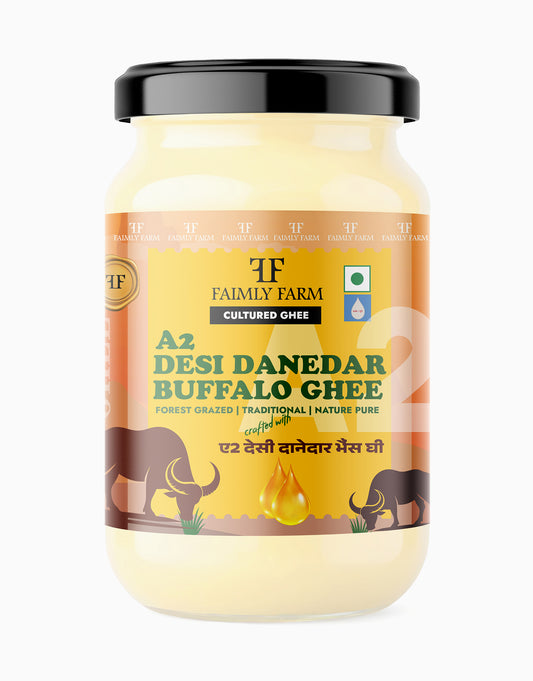
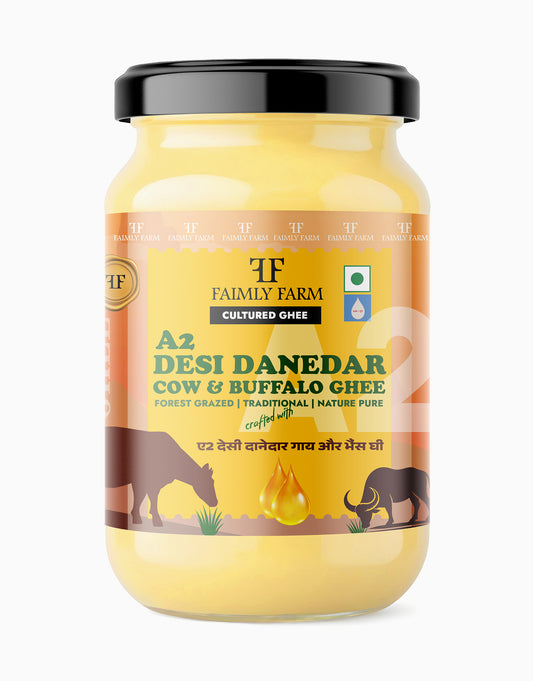
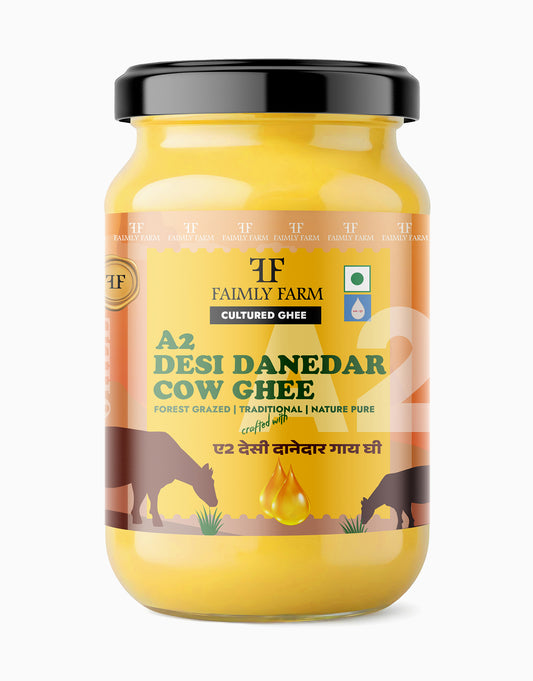

Before Gifting Ghee: Ask about Food Preferences Respectfully
Ask about dietary preferences before gifting ghee. Offer a respectful alternative, preserve labels and keep private details out of shared lists.

By Faimly Farm, with AI assistance · Published 21 October 2026
Before choosing a ghee gift, ask whether a dairy food suits the recipient and offer an easy alternative. A thoughtful question can prevent an unwanted purchase without asking someone to disclose medical details or defend their dietary choices.
This regular-ghee gifting guide covers the suitability conversation. The separate budget worksheet handles cost, and the courier checklist handles transport. None can establish a person's willingness or ability to use the gift.
Ask a neutral question
Try: “We are choosing food gifts. Would a labelled dairy-ghee pack be useful for you, or would you prefer a non-food option?” Give both choices equal weight. For a workplace group, a private form or contact is often more comfortable than asking people to explain preferences publicly.
Do not describe ghee as suitable for everyone, or promise that A2 or low-lactose wording makes it acceptable. A2 is a source-milk description; it is not a reason to override a vegan preference or a milk-allergy concern.
Record only what the task needs
| Useful field | Keep out of a shared gift list |
|---|---|
| Food gift or alternative chosen | Unnecessary medical history |
| Exact agreed item or category | Speculation about the person's reasons |
| Delivery contact, privately held | Addresses visible to the whole team |
| Reply date and confirmation | Public labels about dietary identity |
For a recipient who reports an allergy, let them choose a suitable alternative or provide the exact product information for their own decision. Do not improvise reassurance about residual milk proteins or handling.
Preserve the original label
Give a sealed identified food pack, with ingredients, dates and instructions available. A handwritten gift card can add warmth, but it should not replace the food label or cover warnings. If choosing ritual supplies, keep non-edible items clearly distinct from food gifts.
The FDA's food-allergy information identifies milk as a major allergen in its US context. It supports taking a disclosed milk allergy seriously; this guide does not apply US labelling law to an Indian purchase or provide individual allergy clearance.
When preferences are unknown
Choose a flexible non-food option or ask before buying. A larger or more expensive ghee pack does not resolve uncertainty. If the gift is a surprise, you can preserve some surprise about presentation while confirming the broad category.
For mixed groups, plan alternative items with similar care and budget, rather than treating one choice as a lesser gift. Record the agreed choice before allocating stock so a substitute does not disappear during packing.
Questions gift planners ask
Is “vegetarian” enough information?
No. Ask whether dairy ghee is welcome; individual preferences vary.
Should I ask for a diagnosis?
No. The practical choice or alternative is usually enough for the gifting task.
Does A2 make a dairy gift vegan?
No. A2 cow ghee remains milk-derived.
Can I remove the label for a cleaner hamper?
Keep the original information available and readable.
Related Faimly Farm reading
- For parent gift planning, read Ghee Gift Budget: Calculate the Full Cost per Recipient.
- For separate suitability from dispatch, read Packing A2 Ghee Gifts for a Courier: A Pre-Dispatch Checklist.
- For respond appropriately to milk-allergy concerns, read Cooking for a Guest with Milk Allergy: Check Ghee Before Tempering.
Sources and links checked 21 October 2026. This is educational editorial content; examples and proposed recipes are identified in the text. Banner: AI-generated illustration, not an actual product or tested-batch photograph. Return to the Faimly Farm Journal.
Continue reading
View all stories
A Ghee Gift May Arrive After the Event: What to Check Next
A decision checklist for an uncertain delivery date, separating what tracking shows from what the seller or carrier has confirmed.
Read the story
Planning a Group Ghee Gift: Agree Shares and One Order Owner
A small-group checklist for agreeing one gift, its total cost and who will handle the order.
Read the story
Sending A2 Ghee Gifts to Several Addresses: Match Every Parcel
A practical dispatch checklist for keeping each recipient, A2 product selection and parcel together.
Read the story
Join the conversation